
Table of Contents
Introduction
Dubrovnik sits on the southern Adriatic coast of Croatia, wrapped in thick limestone walls that have stood for centuries. Behind them is a compact, car-free Old Town of marble streets, baroque churches, terracotta rooftops and sea views at almost every turn. It has been a UNESCO World Heritage Site since 1979, and it remains one of the most photographed cities in Europe.
This guide goes beyond the obvious postcard shots. You will find the sights worth your time, the activities that suit different travel styles, the dishes and drinks to try, and the practical details that decide whether your trip feels relaxed or exhausting. Because Dubrovnik is popular and its rules around visitor numbers keep evolving, we also cover how to time your days so you see the city at its best.

Best Places to Visit in Dubrovnik
The Old Town and Stradun
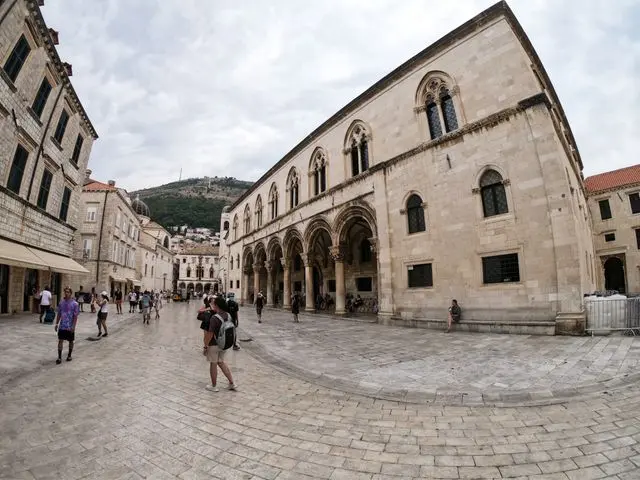
Stradun is the polished limestone avenue that runs through the heart of the Old Town, from Pile Gate at one end to the Old Port area at the other. Centuries of footsteps have worn the stone so smooth that it gleams after rain. Side lanes branch off it in a tidy grid, with steep stairways climbing on the southern side and quieter residential streets on the northern side.
Look closely at the rooftops and you will notice two tones of tile, a brighter orange and a more faded one. The brighter tiles replaced those damaged during the shelling of 1991, which makes the skyline a quiet record of the city's recent history.
The City Walls
The walls form a loop of roughly two kilometres around the Old Town, built up and reinforced between the 12th and 17th centuries. Walking the full circuit takes about 90 minutes to two hours, with towers, bastions, rooftop views and open sea along the way. Access points include Pile Gate, Ploče Gate and the fortress at the Old Port.
There is almost no shade on the ramparts, so go at opening time or in the late afternoon, and carry water. Advance booking for the walls has been introduced or encouraged in recent seasons, so check the official site before your visit.
Fort Lovrijenac
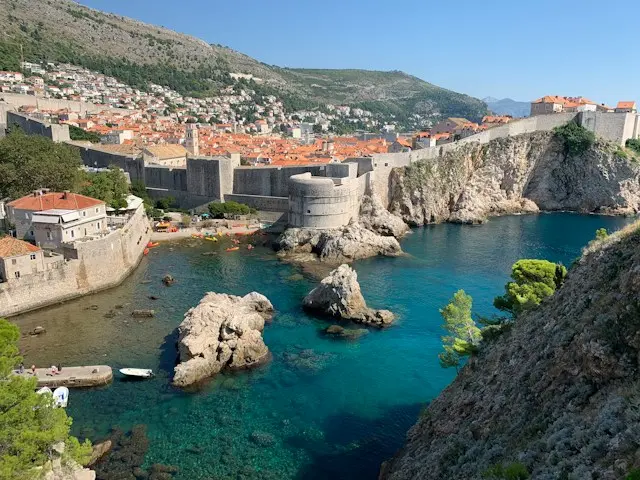
Perched on a rocky outcrop just outside Pile Gate, this fortress rises around 37 metres above the water. Its walls are extremely thick on the seaward side and far thinner on the side facing the city, a design that reflected who the defenders feared most. A motto above the entrance declares that freedom is not worth selling for all the gold in the world.
Fans of Game of Thrones will recognise it as the stand-in for the Red Keep. Even if you have never seen the show, the view back toward the walls is among the best in town.
Rector's Palace and Sponza Palace
The Rector's Palace blends Gothic and Renaissance styles and was the seat of the Republic of Ragusa's elected leader, who famously held office for only a month at a time. Today it houses the Cultural History Museum. Nearby, the Sponza Palace served as customs house and mint, and its elegant atrium still hosts exhibitions and events.
The Republic itself deserves a mention: it banned the slave trade in 1416, long before most of Europe took similar steps.
Mount Srđ
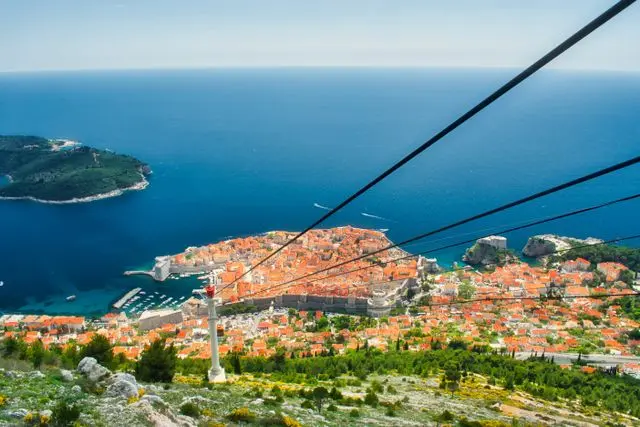
The hill above the city offers the classic panorama of the Old Town, the Adriatic and the Elaphiti Islands. You can reach the summit by cable car or on a steep walking path. The old Imperial Fort at the top holds a museum about the 1991 to 1995 war, which adds context to the view.
Lokrum Island
A short ferry ride from the Old Port takes you to Lokrum, a car-free island with pine woods, a botanical garden, a former Benedictine monastery and a small saltwater lake called the Dead Sea. Peacocks roam freely. Ferries run seasonally, so check the timetable if you travel outside summer.

Things to Do in Dubrovnik
Ride the Cable Car at Sunset
The cable car climbs from just above the Old Town to the top of Srđ in a few minutes. Aim to arrive about an hour before sunset, so you can watch the light turn the walls golden and then see the lamps come on across the harbour. Expect a queue on clear evenings and consider buying tickets in advance.
Kayak Around the Walls
Seeing the fortifications from sea level gives you a different sense of their scale. Guided sea kayak tours paddle beneath the walls and past Fort Lovrijenac, and many include a swim stop and a visit to a small sea cave. Morning departures tend to have calmer water and fewer boats.
Have a Drink at the Cliff Bars
Cut into the outer wall on the seaward side, a few informal bars sit on rocks above the water. You reach them through a narrow opening in the stone, order a cold drink and watch swimmers jump from the ledges. Prices are higher than in an ordinary cafe, but the setting justifies it.
Swim at Banje and Beyond
Banje Beach faces the Old Town and is the easiest place for a quick dip, though it fills up in summer. For something quieter, walk along the coast toward the Ploče side, or take a bus to the Lapad peninsula, where pebble beaches and shaded promenades stretch along the shoreline.
Follow the Game of Thrones Trail
Besides Fort Lovrijenac, scenes were filmed along the walls, in nearby Lokrum and at the Trsteno Arboretum, a historic garden about 20 kilometres up the coast. Themed walking tours are widely available, but you can build your own route using a map and a free afternoon.
Local Experiences and Food
Dishes to Try
Dubrovnik cooking leans on the sea, with a touch of Mediterranean olive oil and herbs. Order a few of these while you are here:
- Black risotto, coloured and flavoured with cuttlefish ink
- Oysters and mussels from the Ston and Mali Ston area on the Pelješac peninsula
- Grilled fresh fish, usually sold by weight and served with blitva, a local potato and chard side dish
- Rozata, a silky custard dessert flavoured with rose liqueur and caramel
- Orahovac, a dark walnut liqueur often offered after dinner
Visit the Morning Market
Each morning stalls open in Gundulić Square, selling fruit, vegetables, herbs, olive oil, honey, dried figs and bottled liqueurs. It is smaller than markets in some other Croatian cities, but it is a pleasant place to buy picnic supplies and chat with local producers.
Taste Wines from Pelješac
The nearby Pelješac peninsula is Croatia's best-known red wine region, built around the Plavac Mali grape. Wine tours depart daily from Dubrovnik and combine cellar visits with seafood lunches. If you prefer to stay in town, many Old Town wine bars pour regional bottles by the glass.
Catch Live Culture
The Dubrovnik Summer Festival fills squares, courtyards and fortresses with theatre, classical music and dance every year from mid-July to late August. Outside the festival, folklore ensembles such as Lindjo perform traditional music and dance at venues around the city, a good way to experience local heritage beyond the museums.

Best Day Trips from Dubrovnik
Elaphiti Islands
This chain of small islands lies just offshore. Koločep, Lopud and Šipan are the three main inhabited ones, with sandy coves, quiet paths and small restaurants. Public ferries and organised boat tours both run in season, and Lopud's Šunj beach is a favourite for families.
Ston and the Pelješac Peninsula
About an hour's drive north, Ston is guarded by a long defensive wall, often described as one of the longest in Europe, stretching up the hillside. Combine it with oysters at Mali Ston and a winery stop for a full day of history and food.
Cavtat and the Konavle Valley
Roughly 20 kilometres south, Cavtat is a relaxed harbour town with a waterfront promenade, a mausoleum by the sculptor Ivan Meštrović and calm swimming spots. Inland, the Konavle valley offers vineyards, watermills and rural konobas serving home-style meals.
Best Time to Visit and How to Beat the Crowds
May, June, September and early October offer the best balance of warm weather, swimmable sea and manageable crowds. July and August are hot and busy, although they bring the Summer Festival and the warmest water. Winter is quiet, with some restaurants and ferries operating reduced schedules, which suits travellers who care more about atmosphere than beach time.
The city has introduced limits to ease pressure on the Old Town, including a cap on the number of cruise ships docking each day and a target ceiling for simultaneous visitors inside the walls. These measures help, but enforcement and details can change from season to season.
- Visit the Old Town and walls before 10 am or after 4 pm, when day-trip and cruise passengers are away
- On cruise-heavy days, spend the middle of the day on Lokrum, a beach or an island trip
- Dine outside the main streets, where prices drop and the atmosphere improves
- Check the daily cruise schedule on the port authority's website if you want to avoid the busiest days

Getting to Dubrovnik and Getting Around
Dubrovnik Airport is in Čilipi, about 20 kilometres south of the city. An airport shuttle bus runs to the Old Town and the main bus station, and taxis and ride-hailing apps are also available. The city is connected by road to the rest of Croatia, and long-distance buses arrive at the main station in Gruž, close to the ferry port.
Within the Old Town, you will walk everywhere, and the steep stairways can be tough with a wheeled suitcase. Beyond the walls, local buses link Gruž, Lapad, Ploče and the airport route. Taxis suit late evenings, and ferries serve Lokrum and the Elaphiti Islands. Driving in the centre is difficult and parking is limited, so hire a car only if you plan to explore farther afield.
Where to Stay
Old Town
Staying within the walls puts you among the monuments after dark, but expect steps, summer noise and higher rates. Book somewhere with clear access instructions, as many buildings have narrow entrances and no lifts.
Ploče
Just outside the eastern gate, Ploče has hotels with sea views, quick access to Banje Beach and a short walk back to the Old Town. It suits travellers who want comfort and views without the crowds.
Lapad and Babin Kuk
These peninsulas west of the port are lined with beaches, promenades and family-friendly hotels. A bus ride connects them to the Old Town in around 20 minutes, and restaurant prices are usually friendlier.
Gruž
The working harbour district is practical for ferry and bus connections and offers some of the best-value rooms in the city, along with local cafes and a fresh produce market.
Practical Tips Before You Go
- Croatia uses the euro, and cards are widely accepted, but carry some cash for small cafes, markets and boat tickets
- Wear shoes with good grip, as the polished limestone becomes slippery when wet
- Cover your shoulders and knees when entering churches and monasteries
- Refill bottles at public drinking fountains, including Onofrio's Large Fountain near Pile Gate
- Roller bags are discouraged on the Old Town stairs, so pack light if you can
- Ticket prices, opening hours and booking rules for the walls, forts and cable car change often, so confirm them on the official sites before you travel
- Consider a multi-day city pass only if you plan to visit several museums as well as the walls, and compare its price against individual tickets
Conclusion
Dubrovnik rewards visitors who slow down. Spend a morning on the walls, an afternoon by the water and an evening on Stradun, and the city starts to feel like more than a film set. Add an island day, a glass of Pelješac red and a bowl of black risotto, and you will leave with a fuller picture of Croatia's southern coast.
Timing and planning matter more here than almost anywhere else on the Adriatic. Travel outside peak hours, book key attractions ahead, and check current rules before you go, and the city will be at its most generous.
Frequently Asked Questions
How many days do you need in Dubrovnik? +
Two to three days cover the Old Town, the walls, the cable car and a beach or island visit. Add a day or two if you want to explore Ston, Cavtat or the Elaphiti Islands at a relaxed pace.
Is Dubrovnik worth visiting despite the crowds? +
Yes, particularly if you visit in late spring or early autumn and plan your sightseeing for early mornings and evenings. The setting and history justify the trip even in busy months.
What is the best time of year to visit Dubrovnik? +
May, June, September and early October give you warm weather, comfortable sea temperatures and fewer visitors than midsummer.
Do I need to book City Wall tickets in advance? +
Advance booking has been introduced or strongly encouraged in recent seasons, so reserve online through the official channel where possible and confirm the current rules before you travel.
Is Dubrovnik expensive? +
It is one of the pricier destinations in Croatia, especially in summer and inside the Old Town. You can save by eating beyond the main streets, staying in Lapad or Gruž and using local buses.
Can you swim in Dubrovnik? +
Yes. Banje Beach, the rocks below the walls, Lapad's pebble beaches and Lokrum all offer swimming, and the water is clear and warm from about June to October.
Is Dubrovnik walkable? +
The Old Town is entirely pedestrian and compact, though it includes many steps and slippery stone. Other districts are connected by buses and short taxi rides.
What should I eat and drink in Dubrovnik? +
Try black risotto, local oysters, grilled fish, rozata and a glass of Plavac Mali red wine from the Pelješac peninsula.