Table of Contents
Introduction
Hamburg rarely gets the same spotlight as Berlin or Munich, but Germany's second-largest city has a personality all its own. Built around a working harbor and threaded with more canals than Venice, it mixes gritty maritime history with a genuinely modern cultural scene. Red-brick warehouses sit a few streets away from glass concert halls, and fish markets open at dawn just as nightclubs are closing.
This guide covers the places worth prioritizing, the activities that make a Hamburg trip memorable, and a few local habits that help visitors move through the city like they actually live there. Whether you have a single day or a full week, the sections below are built so you can pick what fits your pace.
Best Places to Visit in Hamburg
Speicherstadt
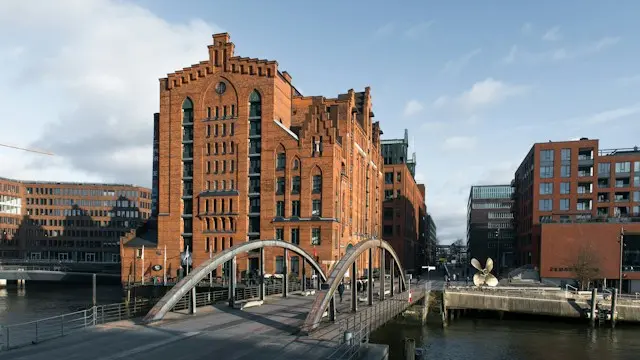
This UNESCO-listed warehouse district is the largest of its kind in the world, built between 1883 and 1927 on wooden piles driven into the marshland. The narrow canals and dark-red brick facades make it one of the most photographed corners of the city, especially in the early morning light before the crowds arrive.
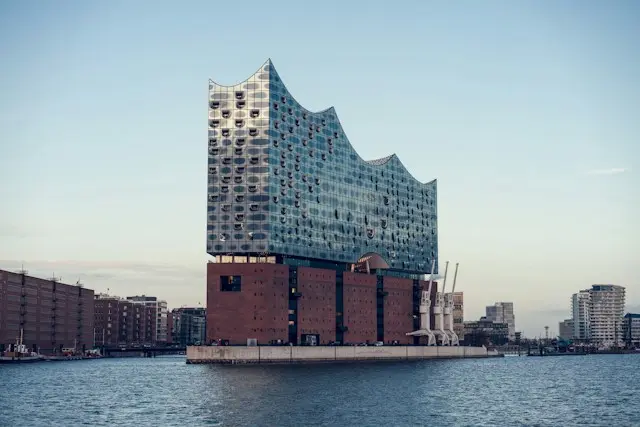
Elbphilharmonie
Hamburg's concert hall sits on top of a converted 1960s warehouse, its wave-shaped glass roofline visible from most of the harbor. Even without a concert ticket, the free public viewing platform, the Plaza, gives a sweeping view over the Elbe River and the port.
Miniatur Wunderland
Located inside the Speicherstadt, this is the largest model railway exhibition on the planet, with sections recreating Hamburg, Scandinavia, the United States and more. It draws over a million visitors a year, and the miniature airport with planes that actually taxi and take off is a recurring highlight.
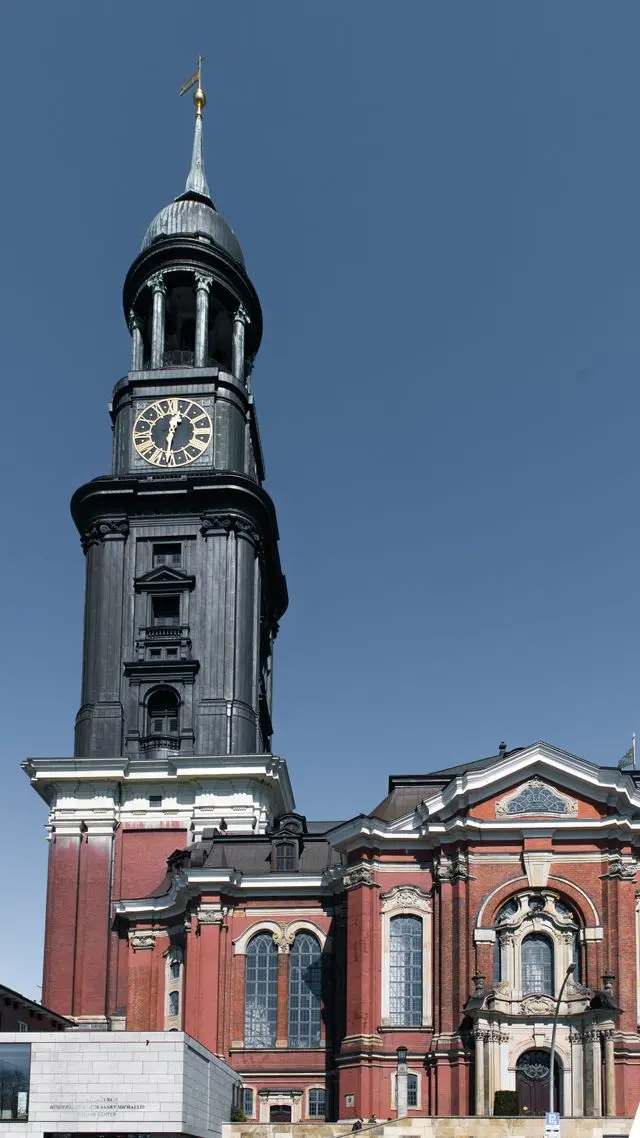
St. Michael's Church (Hamburger Michel)
Locally known as "Michel," this baroque church tower has served as a landmark for sailors entering the harbor for centuries. Climbing (or taking the lift up) the tower rewards visitors with one of the best panoramic views of the city and the river.
Reeperbahn
Hamburg's famous entertainment district in St. Pauli is known for its nightlife, but it also has a genuine musical history, including the club where The Beatles played some of their earliest gigs. During the day, it's a fairly ordinary street; after dark, it becomes one of the liveliest strips in northern Europe.

Top Things to Do
- Take a boat tour ("Hafenrundfahrt") through the harbor to see the port from the water, where much of Hamburg's history and trade still takes place
- Walk or cycle along the Elbe promenade toward the beach at Övelgönne, a stretch popular with locals for sunset views over passing container ships
- Visit the Fischmarkt on a Sunday morning, where the market has run since 1703 and now doubles as an early-morning social ritual for night owls heading home
- Explore the Sternschanze neighborhood for independent boutiques, street art and a younger, more alternative side of the city
- Ride the U3 elevated subway line for a cheap, above-ground tour of the city skyline and harbor
Each of these works well as a half-day activity, so they can be combined depending on how much time is available. The harbor tour and Fischmarkt pair particularly well together for an early start.
Local Experiences Worth Seeking Out
Franzbrötchen for breakfast
This cinnamon-swirled pastry is Hamburg's answer to the croissant, sold at nearly every bakery in the city. Locals eat it plain, with butter, or occasionally warmed, and it's rarely found outside northern Germany, which makes it worth trying while there.
A quiet evening in Övelgönne or Blankenese
These two riverside neighborhoods, west of the city center, are where many Hamburg residents go to unwind. Blankenese in particular is known for its steep, stepped streets leading down to the Elbe, lined with cottages that once belonged to sea captains.
Planten un Blomen after dark
This large central park hosts a free water-light concert on summer evenings, where fountains are choreographed to music and illuminated in changing colors. It's a low-key event that draws mostly locals rather than tour groups.

Where to Stay
HafenCity and Speicherstadt
Staying near the harbor puts the Elbphilharmonie, the Speicherstadt and Miniatur Wunderland within easy walking distance, which suits visitors focused on the main sights. Hotels in this area tend to be newer and priced at a premium, reflecting the neighborhood's status as Hamburg's most redeveloped waterfront district.
Altstadt and Neustadt
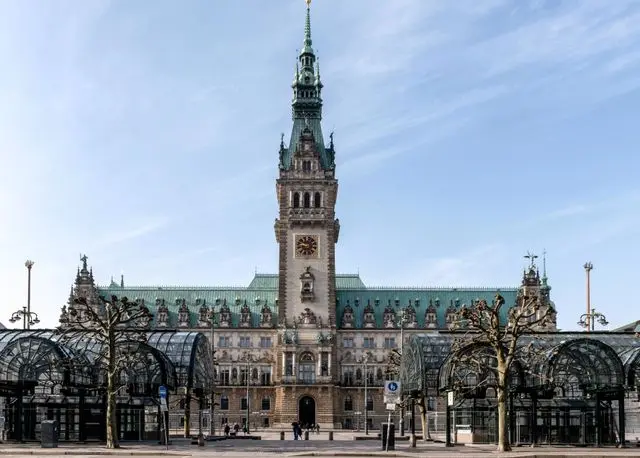
Hamburg's historic center offers a central base close to the Rathaus, shopping streets and public transport hubs, with a wide mix of mid-range and upscale hotels. It works well for visitors who want to walk to most attractions without relying heavily on the U-Bahn or S-Bahn.
Sternschanze and St. Pauli
These neighborhoods suit travelers who want a livelier, more local feel, with easy access to independent cafes, bars and the Reeperbahn nightlife. Accommodation here skews toward boutique hotels and hostels, and prices are generally lower than in the city center or HafenCity.
Altona and Ottensen
A short train ride from the center, these western districts offer a quieter, residential base with good food options and easy access to the Elbe promenade and Övelgönne. They tend to suit longer stays or visitors who prefer a slower pace over constant proximity to major sights.
Where to Eat and Drink
Hamburg's food culture leans heavily on its harbor history. Fischbrötchen, a bread roll filled with herring or other fish, is sold from small stands throughout the city and makes for an easy, inexpensive lunch. Labskaus, a hearty dish of corned beef, potatoes and beetroot topped with a fried egg, is another local specialty worth trying at least once, even if it looks unusual on the plate.
For something more contemporary, the Schanzenviertel and Ottensen neighborhoods have a strong concentration of independent cafes and restaurants, ranging from Vietnamese and Turkish spots to modern German bistros. Craft beer has also taken hold in the city in recent years, with several small breweries opening tasting rooms in converted industrial spaces near the harbor.

Getting Around the City
Hamburg's public transport network, the HVV, combines U-Bahn, S-Bahn, buses and harbor ferries under a single ticketing system, making it straightforward to get almost anywhere without a car. A day pass is usually the most economical option for visitors covering multiple neighborhoods in one day.
The harbor ferries are worth calling out specifically: several routes are part of the regular public transit system rather than tourist boats, so a standard transit ticket can double as a scenic river crossing. The city center itself is compact and walkable, particularly between the Speicherstadt, the Rathaus (city hall) and the Elbphilharmonie.
Best Time to Visit
Late spring through early autumn (May to September) brings the mildest weather and the longest daylight hours, which suits outdoor activities like the harbor tour, park visits and the Övelgönne beach walk. July and August are the busiest and most expensive months, so late May, June or September often give a good balance of good weather and smaller crowds.
Winter has its own appeal, particularly during the Christmas market season from late November through December, when the Rathausmarkt and several other squares fill with stalls, mulled wine and seasonal lights. Expect shorter days and a real chance of rain or cold winds off the Elbe at any time of year, so packing layers is a safe bet regardless of season.
Conclusion
Hamburg rewards visitors who give it more than a rushed day trip. Its landmarks like the Elbphilharmonie and Speicherstadt are worth seeing, but the city's real character comes through in its harbor rhythms, its neighborhood cafes, and small rituals like a Sunday morning at the Fischmarkt. Building a mix of major sights and slower, local moments tends to make for the most rewarding trip.
Frequently Asked Questions
How many days do I need to see Hamburg? +
Two to three days is enough to cover the main sights like the Speicherstadt, Elbphilharmonie and a harbor tour, though a longer stay allows time for neighborhoods like Blankenese and Sternschanze that reward a slower pace.
Is Hamburg expensive to visit? +
Hamburg is moderately priced compared to cities like London or Paris, though accommodation and dining in the city center can be pricier in peak summer months; budget travelers can save by staying slightly outside the center and using the HVV day pass for transport.
What is Hamburg known for? +
Hamburg is known for its large port, the Speicherstadt warehouse district, the Elbphilharmonie concert hall, and a maritime culture that shapes much of its food, architecture and daily life.
Is Hamburg walkable? +
The city center is quite walkable, especially between the Rathaus, Speicherstadt and Elbphilharmonie, though the HVV public transport network is useful for reaching neighborhoods like Blankenese or Övelgönne further out.
What food should I try in Hamburg? +
Franzbrötchen for breakfast, a Fischbrötchen for a quick lunch, and Labskaus for a heartier traditional meal are all worth trying, alongside the city's growing craft beer and independent cafe scene.
When is the best time to visit Hamburg? +
Late May through September offers the mildest weather for outdoor activities, while late November and December bring Christmas markets and a festive atmosphere, though colder temperatures.
Do I need to speak German to visit Hamburg? +
English is widely spoken in Hamburg, particularly in the city center, tourism sites and hospitality industry, so visitors can generally get by comfortably without German.
Is the Reeperbahn worth visiting during the day? +
The Reeperbahn is fairly quiet and ordinary during daylight hours, so it's better suited to an evening visit if nightlife or its musical history is the main interest.