
Table of Contents
Introduction
Seville rewards visitors who are willing to slow down. The Andalusian capital packs an enormous amount of history, from Moorish palaces to Gothic cathedrals, into a compact old town that is almost entirely walkable, and it pairs that history with a rhythm of life built around long lunches, late dinners, and evenings that stretch well past midnight in warmer months. The Guadalquivir River loops through the city and splits it in two, with the more traditional, riverside neighborhood of Triana facing the historic center across the water.
This guide covers the sights worth prioritizing, the neighborhoods that shape Seville's character, the experiences that go beyond sightseeing, and where to base yourself depending on the kind of trip you're planning.
Best Places to Explore in Seville
Seville's major landmarks sit close enough together that most can be covered on foot over two to three days without much backtracking.
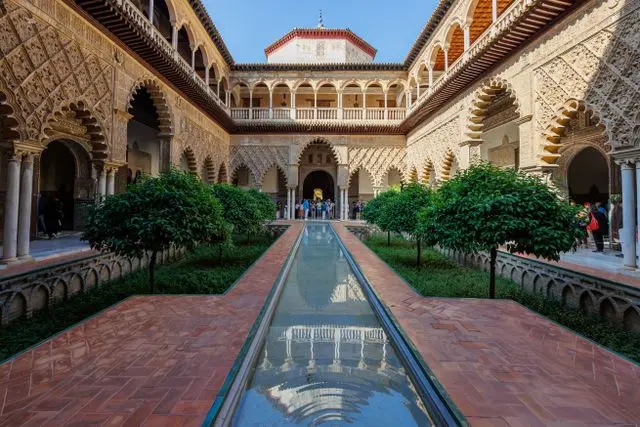
Real Alcázar
The Real Alcázar has been in continuous use as a royal palace since 1364, making it the oldest still-active royal residence in Europe. Its Mudéjar architecture, built largely under Christian rule but in the Islamic style of the earlier Moorish palace on the site, centers on the Patio de las Doncellas, with its reflecting pool and carved stucco arches, and extends into gardens that mix formal Spanish layouts with shaded, overgrown corners.
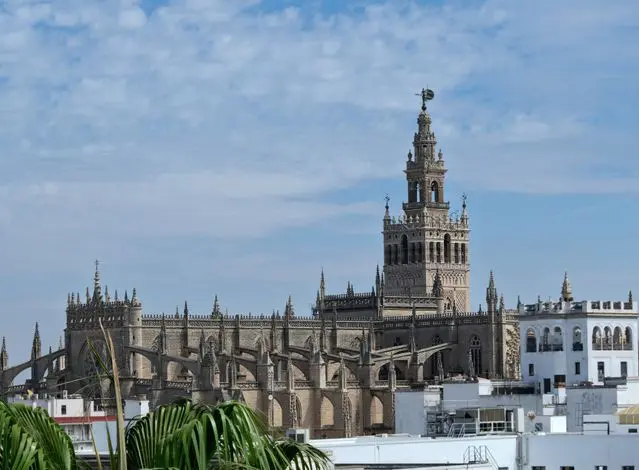
Seville Cathedral and La Giralda
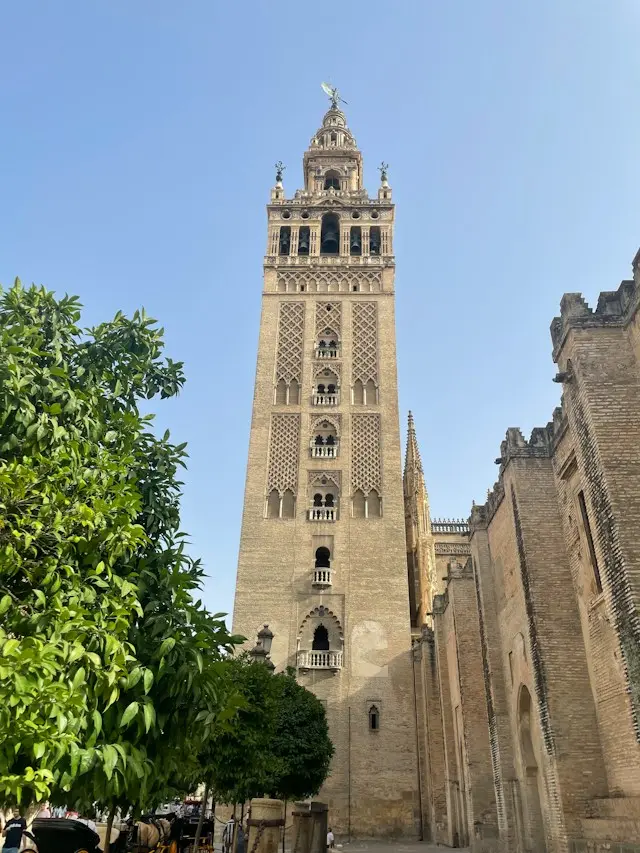
Seville Cathedral is the largest Gothic cathedral in the world and holds the tomb of Christopher Columbus. It was built on the site of a former mosque, and La Giralda, the cathedral's bell tower, was originally the mosque's minaret, which explains its distinctive form compared to typical Gothic towers. Visitors can climb La Giralda via a series of ramps rather than stairs, a design originally intended to allow the muezzin to ride a horse to the top.
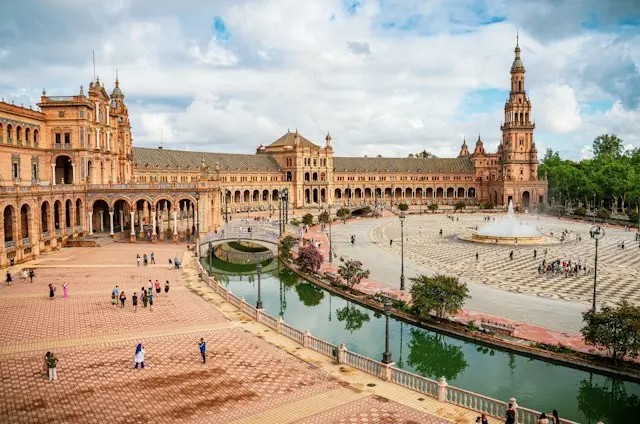
Plaza de España
Built for the 1929 Ibero-American Exposition, Plaza de España is a vast semicircular building wrapped around a canal, with tiled alcoves representing each Spanish province. It costs nothing to visit and remains one of the most photographed spots in the city, so an early morning visit is worth the effort to see it without the crowds.
Metropol Parasol (Las Setas)
Nicknamed "Las Setas" (the mushrooms) for its shape, Metropol Parasol is the largest wooden structure in the world and includes a rooftop walkway with panoramic views over the old town. Beneath the structure, the Antiquarium houses Roman and Moorish ruins uncovered during construction.
Barrio de Santa Cruz
Once Seville's Jewish quarter, Santa Cruz is now a dense maze of narrow lanes, whitewashed walls, and small plazas shaded by orange trees, sitting directly behind the cathedral and the Alcázar.

Seville Neighborhoods Worth Discovering
Each of Seville's central neighborhoods has its own pace and character, and moving between them on foot is one of the best ways to get a feel for the city beyond its headline sights.
- Santa Cruz - the historic Jewish quarter and the most visited district, packed with narrow streets, fountains, and proximity to the cathedral and Alcázar.
- Triana - across the Guadalquivir River, Triana is the traditional home of Seville's ceramics industry and flamenco culture, with a livelier, more local feel than the historic center.
- El Arenal - a riverside district near the bullring, known for tapas bars and flamenco venues, and a convenient base between Santa Cruz and the river.
- Alfalfa and Encarnación-Regina - slightly more modern in feel than Santa Cruz, with markets, cafes, and a younger crowd, centered near Metropol Parasol.
- Macarena - a less touristy, creative district built around the Alameda de Hércules square, with independent bars, cafes, and a more local nightlife scene.
Top Things to Do in Seville
Beyond the landmark sights, Seville has plenty of activities that reward a slower, more immersive approach to the city.
Walk or Cycle Through María Luisa Park
Adjacent to Plaza de España, María Luisa Park offers shaded paths, fountains, and tiled benches, and is a welcome break from the sun-exposed streets of the old town during the warmer months.
Visit the Museo del Baile Flamenco
Located in Santa Cruz, this museum traces the history of flamenco as an art form and also hosts live performances most evenings, making it a useful stop for visitors who want context before seeing a show elsewhere in the city.
Cross the River to Triana
A walk across the Puente de Triana leads to the Mercado de Triana, built over the site of a former castle, and to the Centro Cerámica Triana, a museum dedicated to the neighborhood's ceramics tradition.
Climb La Giralda for City Views
The ramp to the top of La Giralda is a relatively easy climb compared to a typical bell tower staircase, and the view over the cathedral's rooftop and the old town is one of the best vantage points in the city.
Explore the Roman Ruins at Itálica
A short bus ride from central Seville, Itálica is a well-preserved Roman city with an amphitheater larger than the one in Rome's Colosseum footprint per visitor capacity at the time, making it a worthwhile half-day trip for visitors with an extra day to spare.

Unique Local Experiences You Shouldn't Miss
Some of Seville's most memorable moments come from joining in on local rituals rather than moving from landmark to landmark.
See Flamenco in Its Birthplace
Flamenco developed in Seville's working-class neighborhoods, particularly Triana, and while polished tablao shows are widely available, smaller peñas (flamenco clubs) and spontaneous late-night performances in Triana's bars offer a rawer, less staged version of the art form.
Eat Tapas the Sevillian Way
In Seville, tapas culture usually means standing at a bar, ordering a few small plates at a time, and moving on to another bar rather than settling in for one long sitting, a rhythm that is part of the experience as much as the food itself.
Experience the City After Dark
Seville's heat pushes much of daily life into the evening, and dinner at nine or ten at night is standard rather than late, with plazas and riverside walkways filling up long after most other European cities have gone quiet.
Time a Visit Around Semana Santa or Feria de Abril
Semana Santa (Holy Week) fills the streets with elaborate religious processions involving tens of thousands of participants, while the Feria de Abril, held a couple of weeks later, transforms a fairground into a week of flamenco dresses, horse-drawn carriages, and all-night dancing in casetas (private and public tents).
Wander Without a Fixed Route
Santa Cruz and Triana both reward aimless walking more than a checklist, since much of their charm comes from stumbling onto a quiet plaza, a tiled courtyard, or an impromptu flamenco performance rather than seeking one out directly.
Where to Eat and Drink Like a Local
Seville's food culture centers on tapas, but knowing where and how locals actually eat makes the experience more authentic than following a fixed restaurant list.
- Order a few tapas at a time rather than a full plate, and expect to eat standing at the bar in many of the city's most traditional spots.
- Try classic Andalusian dishes like salmorejo (a thick, chilled tomato soup), espinacas con garbanzos (spinach with chickpeas), and jamón ibérico, all widely available across the old town.
- Head to Triana's Calle Betis for riverside tapas bars with views back across to the historic center.
- Visit a traditional tavern in El Arenal for a mix of tapas, flamenco, and the neighborhood's historic ties to the nearby bullring.
- Explore the Alfalfa and Encarnación-Regina area for a more contemporary take on tapas, alongside markets and casual cafes popular with younger locals.

Where to Stay in Seville
Seville's compact old town means most central neighborhoods put major sights within easy walking distance, so the right base usually comes down to atmosphere, budget, and how local you want the experience to feel.
- Santa Cruz - the classic first-time choice, putting the Real Alcázar, the cathedral, and Plaza de España all within a short walk, though it is also the most touristy and can command higher rates.
- Triana - a good option for repeat visitors or budget-conscious travelers, with a more local, working-class feel, generally lower prices, and easy access to flamenco venues and riverside tapas bars.
- El Arenal / Centro - a middle ground between Santa Cruz and the river, central and well-connected with slightly fewer tourists, grander architecture, and easy access to shopping on Calle Sierpes.
- Macarena - a less touristy, creative base built around the Alameda de Hércules, appealing to travelers who prefer a more local nightlife scene over proximity to the main landmarks.
- Los Remedios - a modern, mostly residential and commercial area just south of Triana, useful for longer stays or travelers who prefer a quieter, more local pace with easy access to the center.
Booking well in advance is essential around Semana Santa and Feria de Abril, when central accommodation fills up quickly and rates rise significantly.
Practical Tips for Visiting Seville
A few adjustments to a typical itinerary make a Seville trip considerably more comfortable, particularly around the city's climate and layout.
Plan Around the Heat
Seville summers are intensely hot, often well above 35°C (95°F) in July and August, so sightseeing is best done in the morning or early evening, with a break during the hottest hours in the middle of the day, following the local rhythm of a long lunch and later dinner.
Getting Around
The historic center is compact and best explored on foot, while trams and buses cover longer distances to neighborhoods like Triana and Macarena; a car is unnecessary and often impractical given the old town's narrow streets.
Book Major Sights in Advance
The Real Alcázar and Seville Cathedral both draw long lines, especially in peak season, so booking skip-the-line tickets ahead of time saves considerable waiting.
Day Trips
Itálica's Roman ruins, the hilltop white town of Ronda, and the smaller city of Córdoba, home to the Mezquita, are all reachable from Seville in under two hours and make worthwhile additions to a longer stay.
Conclusion
Seville's landmarks, the Alcázar, the cathedral, Plaza de España, are genuinely worth the hype, but the city's character comes through just as strongly in its tapas bars, its flamenco clubs, and its unhurried evenings. Whether the trip is a quick two days or a full week, leaving room for at least one unplanned wander through Santa Cruz or an evening spent bar-hopping in Triana is what tends to make a Seville visit memorable rather than just efficient.

Frequently Asked Questions
How many days should I plan for a Seville trip? +
Two to three days covers the essential landmarks and one or two neighborhoods in depth, while four or more days allows time for a day trip to Córdoba, Ronda, or Itálica.
What is the best time of year to visit Seville? +
Spring (March to May) and fall (late September to November) offer the most comfortable temperatures, while summer brings intense heat and Semana Santa in spring draws especially large crowds.
Is Triana or Santa Cruz the better place to stay? +
Santa Cruz suits first-time visitors who want everything within walking distance, while Triana suits repeat visitors or those who prefer a more local, less touristy base with generally lower prices.
Do I need to book tickets for the Real Alcázar and Cathedral in advance? +
Yes, booking ahead is strongly recommended, especially in peak season, since both sites regularly sell out or have long walk-up lines.
Is Seville walkable, or do I need public transport? +
The historic center is very walkable, and most visitors only need trams or buses for trips to neighborhoods like Triana, Macarena, or the train and bus stations.
What should first-time visitors not skip? +
The Real Alcázar, Seville Cathedral with a climb up La Giralda, Plaza de España, and at least one evening of tapas and flamenco in Triana cover the essentials of the city.
Is Seville expensive to visit? +
It is generally more affordable than Spain's larger cities like Madrid or Barcelona, particularly for food and accommodation outside of Semana Santa and Feria de Abril.
Are day trips from Seville worth the time? +
Yes, particularly Córdoba for the Mezquita and Ronda for its dramatic gorge-top setting, both of which offer a different pace and landscape than Seville itself.