
Table of Contents
Introduction
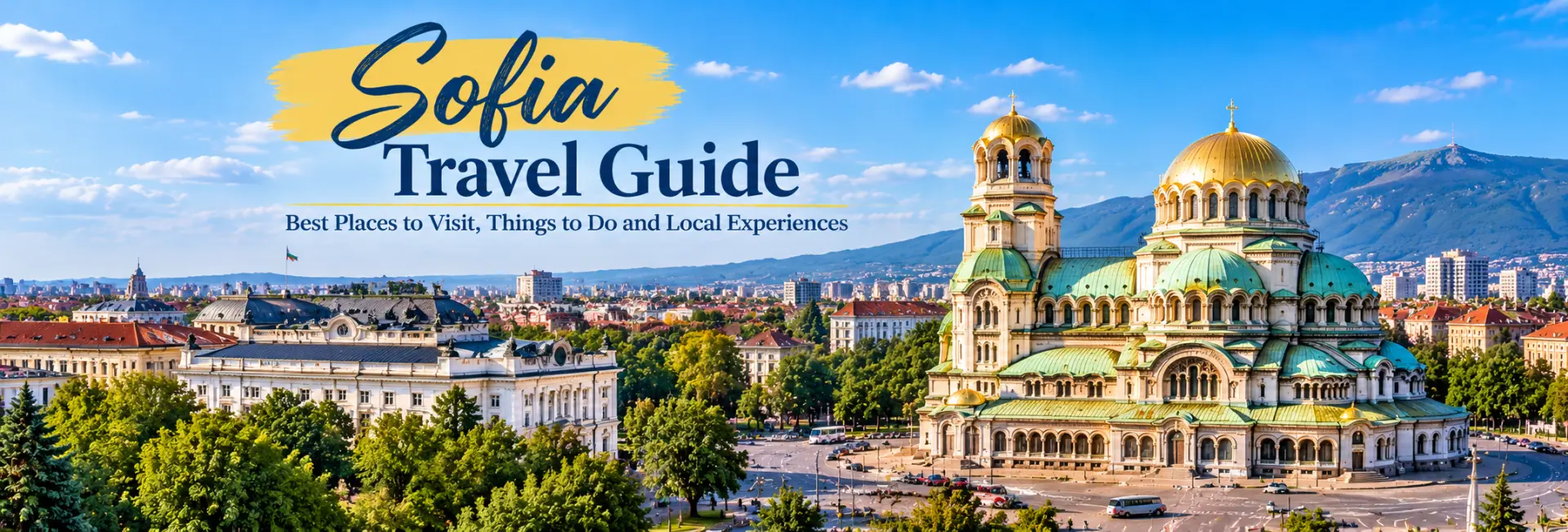
Sofia is one of the oldest cities in Europe, and it wears its age lightly. Thracian settlers, Roman engineers, medieval Bulgarian rulers, Ottoman governors and twentieth-century planners all left marks here, and many of them can be found within a few minutes' walk of each other. Above it all, the long ridge of Vitosha Mountain rises right behind the city, giving Sofia a backdrop few capitals can match.
This guide covers the sights most worth your time, activities for different travel styles, the foods and traditions that shape local life, and the practical details that help a first visit run smoothly.
Why Visit Sofia
Sofia is compact, relaxed and good value, which makes it an easy city to enjoy without a heavy itinerary. The centre is largely walkable, the cafe culture is lively, and a mountain, a monastery and a historic town can all be reached on day trips. It is also one of the more affordable capitals in the European Union.
A few reasons it deserves a place on your list:
- Layers of history visible in everyday streets, including Roman remains inside a metro station
- Striking churches, a mosque and a synagogue standing close together in the city centre
- Mountain trails, forests and ski slopes within a short ride of downtown
- Generous, flavourful food, from flaky pastries to grilled meats and fresh salads
- Good-value restaurants, cafes and nightlife compared with much of western Europe

Best Places to Visit in Sofia
Alexander Nevsky Cathedral
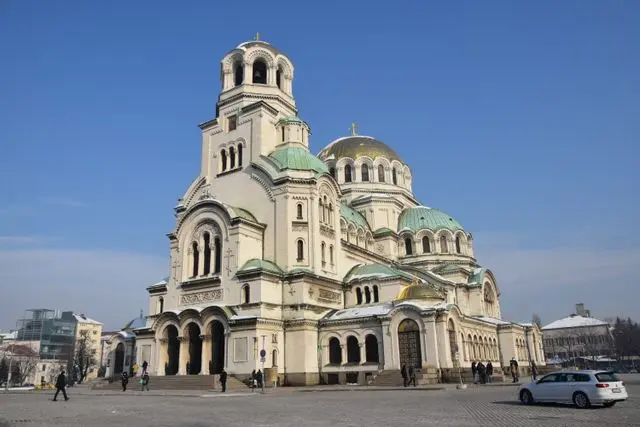
This enormous neo-Byzantine cathedral is Sofia's best-known landmark, with gleaming gold domes and a richly decorated interior. It was built in the early twentieth century as a memorial to the Russian soldiers who died in the war that led to Bulgaria's liberation from Ottoman rule. The crypt houses a collection of Orthodox icons that is worth seeing in its own right.
Serdica Ruins and the Roman Heritage
The ancient city of Serdica lies just below the modern streets. In the Serdika metro station you can walk beside excavated Roman roads and walls on your way to the platform, and a nearby open-air complex shows more of the old town. Roman emperor Constantine reportedly held the city in high regard, and the surviving remains help explain why.
St. George Rotunda
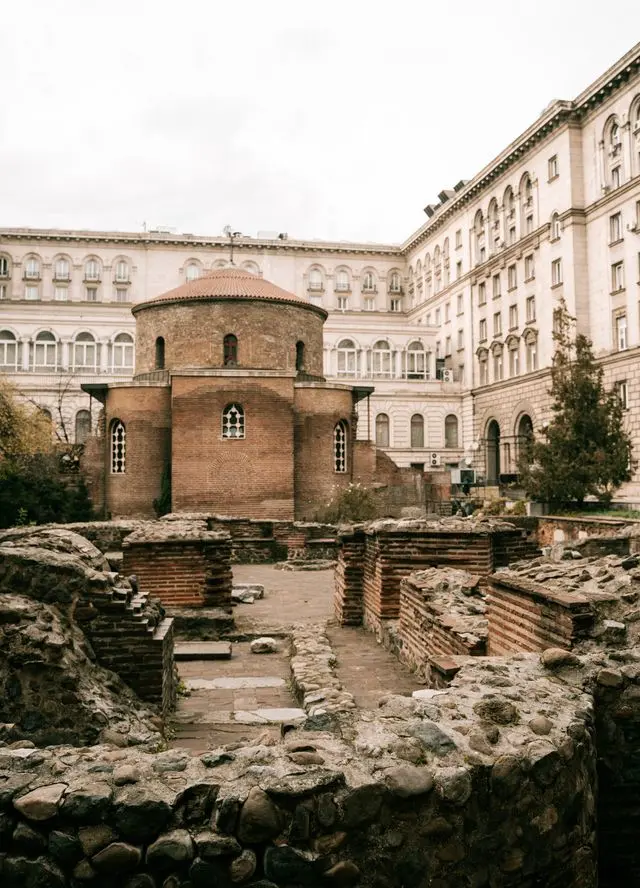
Hidden in a courtyard among government buildings, this small brick rotunda dates to the Roman era and is among the oldest buildings in Sofia. Inside, layers of medieval frescoes cover the dome. It is a peaceful, atmospheric stop, and a reminder of how long the city has been a centre of worship.
Hagia Sofia Church
The Church of St. Sofia is an early Christian basilica dating to the sixth century that gave the city its modern name. The interior is plain and quietly beautiful, and archaeological digs beneath the floor reveal earlier tombs and structures. It stands next to a park that is pleasant for resting between sights.
Banya Bashi Mosque and the Sofia Synagogue
The Banya Bashi Mosque, built in the sixteenth century, sits beside the old public mineral baths and shows Ottoman architecture at its most elegant. A few minutes away, the Sofia Synagogue, opened in 1909, is a grand building in the Moorish style. Together with the nearby Orthodox and Catholic churches, they illustrate why this area is often described as a place of religious coexistence.
Vitosha Boulevard and the Yellow Cobblestones
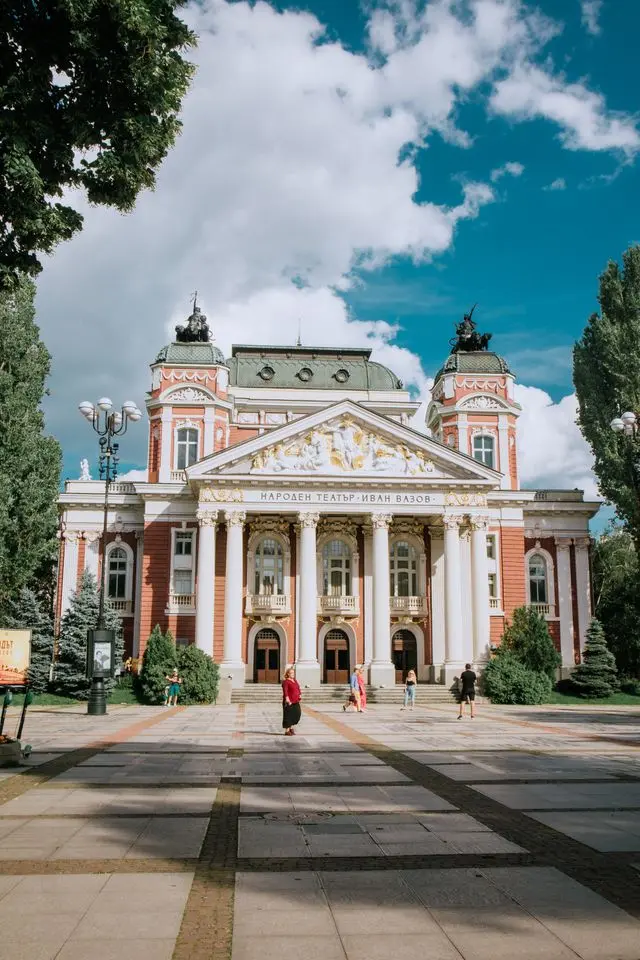
Vitosha Boulevard is the main pedestrian street, lined with shops, cafes and terraces that look straight up toward the mountain. Around the centre you will also notice streets paved with yellow brick, a distinctive feature of the old government quarter. The National Theatre and City Garden nearby make an attractive spot for an afternoon stop.
Boyana Church
On the edge of the city, Boyana Church is a small medieval chapel that holds UNESCO World Heritage status for its thirteenth-century frescoes. The paintings show unusually lifelike faces and a sense of humanity that was ahead of its time in Europe. Visitor numbers are often limited, so check opening arrangements in advance.
Vitosha Mountain
Vitosha is a nature park that begins at the city boundary and climbs above 2,200 metres. Hiking trails lead to viewpoints and rock formations such as the Golden Bridges, a river of boulders, and winter brings skiing and snowshoeing. On a clear day the mountain is visible from many parts of the city.
Ladies' Market and Central Market Hall
For a taste of daily life, visit the Ladies' Market, a busy open-air bazaar with fruit, vegetables, spices, cheese and textiles. The elegant Central Market Hall nearby is a historic building that has been refreshed with food stalls and shops. Both are good places to try local snacks and pick up edible souvenirs.
Things to Do in Sofia
Beyond the headline sights, Sofia offers plenty of ways to fill your days:
- Join a free or paid walking tour of the centre to connect the city's overlapping histories
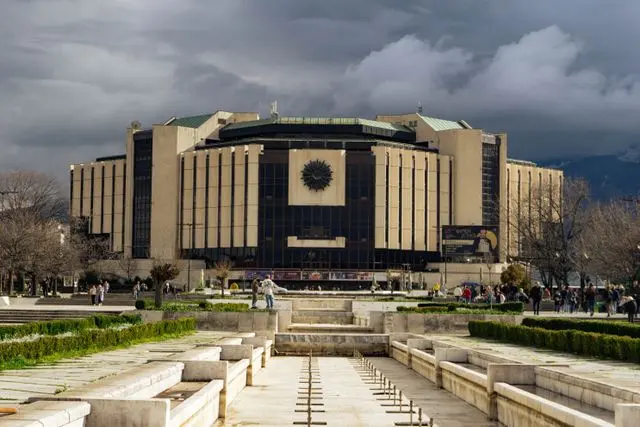
- Stroll through Borisova Gradina, the city's largest central park, and the gardens around the National Palace of Culture
- Visit museums covering national history, archaeology, art and the communist era
- Browse Soviet-era statues and artefacts in a dedicated socialist art collection
- Soak in a mineral spa, since Sofia sits on natural hot springs that have been used since Roman times
- Relax in a garden cafe or rooftop bar in the evening
- Hike or take a cable car up Vitosha for panoramic views
- Catch a performance at the opera, ballet or one of the city's theatres, where tickets are often reasonably priced
Sofia also has a good range of guided experiences, from food tours to street art walks. Compare prices and inclusions before booking and confirm current opening hours on official sites.

Local Experiences and Food
Classic Bulgarian Dishes
Bulgarian food is generous and rooted in fresh vegetables, dairy and grilled meat. Start with banitsa, a layered pastry of filo dough and white cheese, often eaten for breakfast with a glass of yogurt drink. Shopska salad, a simple mix of tomatoes, cucumbers and grated sirene cheese, is served at nearly every meal, while tarator is a chilled cucumber and yogurt soup that suits hot days.
Grills, Stews and Comfort Food
Kebapche and kyufte, spiced minced-meat grills, are popular with friends and family. Kavarma, a slow-cooked meat and vegetable stew, and sarmi, vine or cabbage leaves stuffed with rice and meat, are comforting options in cooler months. Lyutenitsa, a savoury relish of peppers and tomatoes, is a favourite on bread.
Rakia, Wine and Local Drinks
Rakia, a strong fruit brandy often made from grapes or plums, is the national spirit and is usually sipped slowly with salad as a starter. Bulgaria has a long winemaking tradition, and local reds and whites are easy to find at fair prices. For a non-alcoholic option, try boza, a thick fermented drink with a sweet and tangy flavour.
Customs Worth Knowing
Bulgaria is the place where, famously, a shake of the head can mean yes and a nod can mean no, which catches many visitors off guard. In early March, locals exchange red and white woven bracelets called martenitsi to welcome spring. The Cyrillic alphabet, which developed in medieval Bulgarian literary centres, is also celebrated every year on 24 May.
Best Day Trips from Sofia
Sofia is a convenient base for exploring the surrounding landscape and heritage.
- Rila Monastery, about two hours south, is a UNESCO-listed monastery with colourful frescoes and a mountain setting that makes it one of Bulgaria's most visited sites
- Plovdiv, roughly two hours away by train or bus, has a well-preserved Roman theatre, a lively creative district and winding old-town streets
- Koprivshtitsa is a hillside town known for its colourful nineteenth-century houses and its role in Bulgaria's national revival
- Seven Rila Lakes offers glacial scenery and hiking trails in summer, though access depends on the season
- Skiing and winter hiking at Vitosha or farther afield at resorts such as Bansko suit visitors in colder months
Travel times, seasonal access and tour options change, so check current information before planning your day.

Best Time to Visit Sofia
Spring
April and May bring mild temperatures, blooming parks and fewer crowds. It is a good time for walking tours and day trips, though rain showers are common.
Summer
Summers can be hot, but evenings are lively and the mountain offers cooler air. Outdoor festivals and open-air performances fill the calendar in the warmer months.
Autumn
September and October have pleasant weather and colourful scenery in the parks and on Vitosha, as well as harvest-season food and wine.
Winter
Winters are cold and sometimes snowy, which suits skiers and travellers who enjoy cosy cafes and festive lights. Pack warm layers and sturdy shoes for icy pavements.
Getting Around and Where to Stay
The central sights are close enough to explore on foot, and the metro, trams and buses cover the wider city. The metro is clean and straightforward, and it connects the airport with the centre. Buy your ticket through the official channels before boarding and keep it until the end of your trip in case of inspections.
Staying near Vitosha Boulevard or Alexander Nevsky Cathedral places you close to the main sights and good restaurants. Quieter residential areas near the National Palace of Culture or the city gardens offer calmer evenings, often at lower prices. Book ahead for weekends in summer and the ski season.
Practical Tips for First-Time Visitors
- Bulgaria adopted the euro on 1 January 2026, and euros have been the only legal tender since 1 February 2026, so you no longer need leva
- Many signs and menus use the Cyrillic alphabet, so a translation app or a few basic letters helps
- English is widely spoken among younger people and in hospitality, and is less common in small shops and markets
- Dress modestly and cover shoulders and knees when entering churches and monasteries
- Pavements can be uneven, so wear comfortable shoes
- Prices, opening hours and transport rules change, so confirm details close to your travel date
- Sofia is generally safe, but keep an eye on your belongings in crowded areas, on public transport and at markets
Conclusion
Sofia rewards curiosity. In one day you can move from Roman streets to an Orthodox cathedral, then sip rakia on a terrace with a mountain in the distance. It lacks the crowds of better-known capitals, and that is part of its appeal.
Give yourself time to wander, taste the local dishes and venture out to Vitosha or Rila if you can. Confirm current practical details before you travel, and the city will do the rest.
Frequently Asked Questions
How many days do you need in Sofia? +
Two days cover the main sights in the centre, including the cathedral, Roman ruins and markets. Three or four days leave room for Boyana Church, Vitosha and a day trip to Rila Monastery or Plovdiv.
Is Sofia worth visiting? +
Yes, especially for travellers who like history, mountain scenery and good-value food. It is a relaxed city that suits short breaks and longer stays alike.
Is Sofia expensive? +
It is one of the more affordable capitals in the European Union, with inexpensive meals, coffee and local transport. Prices have been rising in recent years, so check current costs when budgeting.
What currency is used in Sofia? +
Bulgaria joined the eurozone on 1 January 2026, and the euro is now the sole legal currency. Cards are widely accepted, but carrying a little cash is useful for markets and small cafes.
Can you explore Sofia on foot? +
Yes, the historic centre is compact and very walkable. Use the metro or tram for Boyana, the National Palace of Culture and some of the larger parks.
What is the best time of year to visit? +
Late spring and early autumn have the most comfortable weather, while winter is best for skiing on Vitosha. Summer is lively but can be hot in the city.
What local food should I try? +
Banitsa pastry, shopska salad, tarator soup and grilled kebapche are good first choices. Try rakia or a glass of local wine to go with them.