
Table of Contents
Introduction
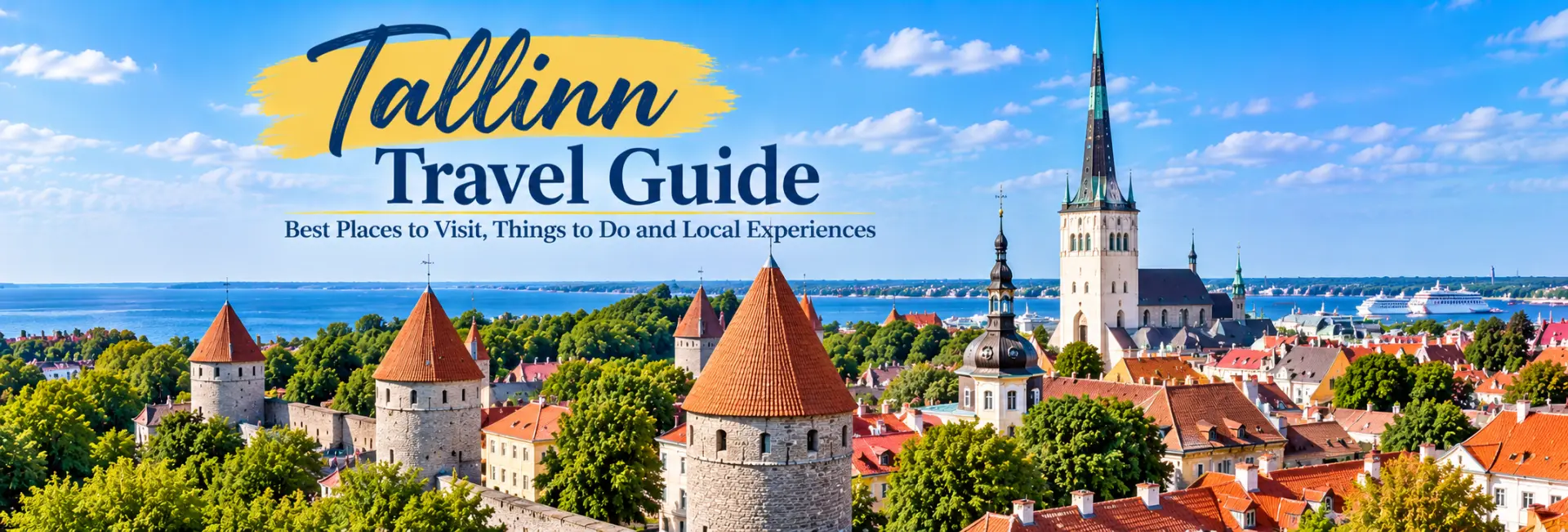
Tallinn fits an unusual amount into a small footprint. Within a short walk you can move from steep medieval lanes and Gothic church spires to Soviet-era landmarks, former factory districts turned creative hubs, and a seafront lined with parks and beaches. It is among the best-preserved medieval cities in northern Europe, and it is also a place where everyday life runs on some of the most advanced digital services in the world.
This guide covers the places most worth your time, activities that suit different travel styles, the food and customs that make the city feel local, and the practical details that help a first visit go smoothly.
Why Visit Tallinn
Tallinn rewards both short city breaks and slower trips. The historic core is compact enough to explore on foot in a day, while the neighbourhoods around it give you reasons to stay longer. Ferries make it an easy add-on to a Helsinki trip, and the Baltic coast and forests are close by.
A few things set it apart from other European capitals:
- A UNESCO-listed Old Town with intact town walls, merchant houses and church towers
- A strong mix of eras, from medieval guild halls to baroque palaces and Soviet-period architecture
- A lively creative and startup scene, visible in its galleries, markets and cafes
- Sea, parks and forest within a short tram ride of the centre
- Prices that are often gentler than in Scandinavian capitals, though they have risen in recent years

Best Places to Visit in Tallinn
Old Town and Town Hall Square
The Old Town is the heart of any visit. Town Hall Square has been the city's gathering place since the Middle Ages, and the Gothic Town Hall on its edge remains one of the finest civic buildings in the region. Wander off the square into side streets such as Katariina Kaik, a quiet lane near the old Dominican monastery where local craftspeople keep small studios.
Look for the Town Council Pharmacy on the square, which has been trading for centuries and counts among the oldest pharmacies in Europe. Much of the Old Town's charm comes from simply walking without a plan, so leave a little slack in your schedule.
Toompea Hill
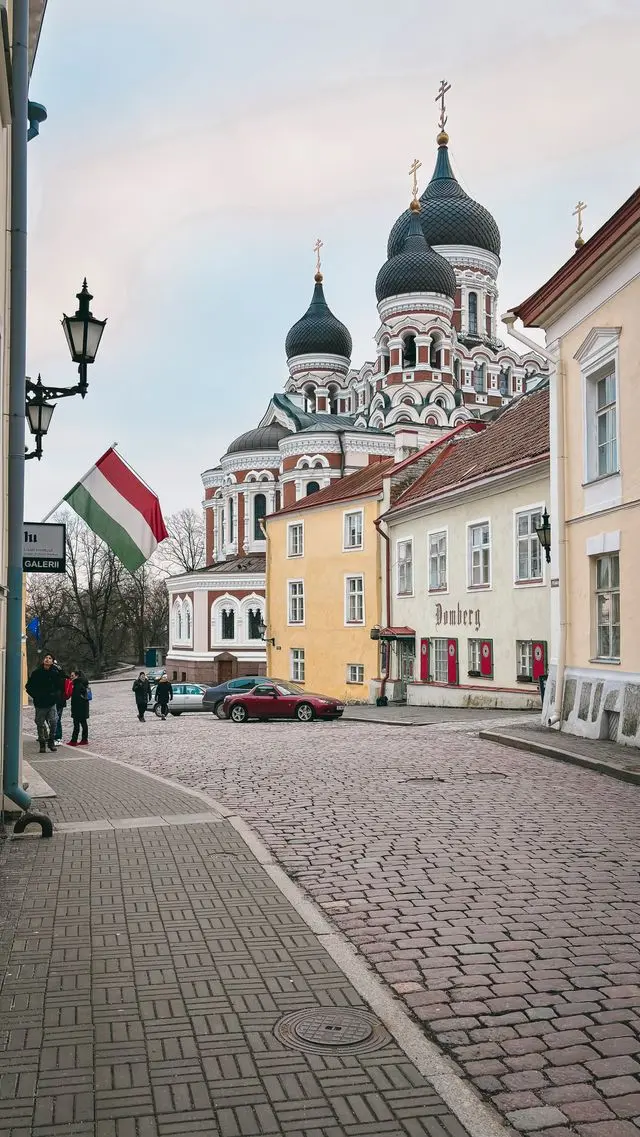
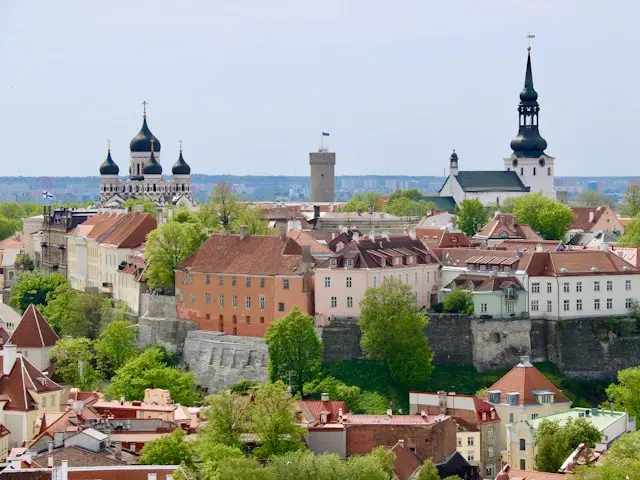
Toompea is the upper town, historically home to the nobility and still the seat of Estonian government. The onion domes of Alexander Nevsky Cathedral, completed around the turn of the twentieth century, dominate the hilltop, and nearby stands the Lutheran Dome Church. Two viewing platforms, Kohtuotsa and Patkuli, give the classic photograph of red roofs, spires and the Baltic beyond.
St. Olaf's Church and the Town Walls
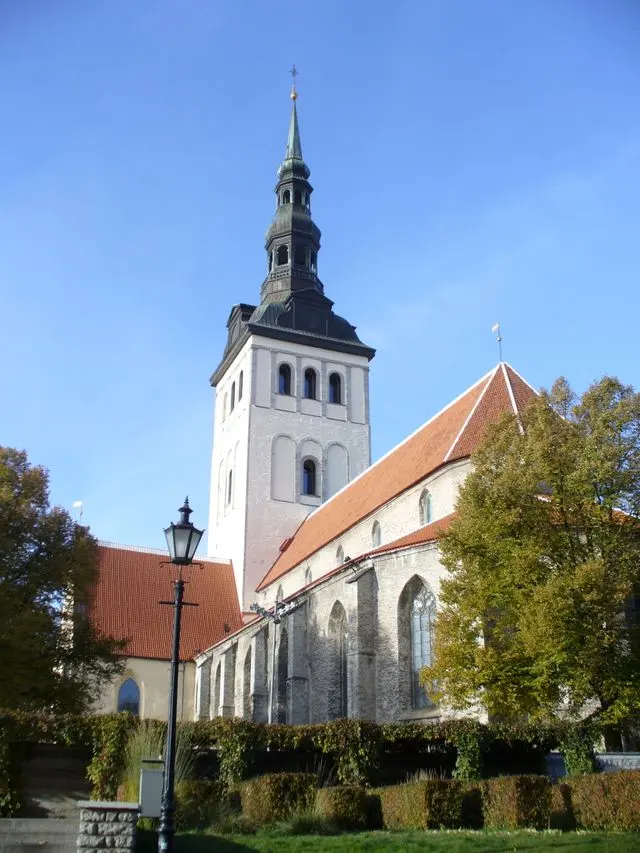
St. Olaf's has a slender spire that once ranked among the tallest structures in the world during the late Middle Ages. Climbing its tower involves more than 200 steps, but the view across the rooftops is worth the effort. Along the walls, the Viru Gate, the Kiek in de Kök artillery tower with its bastion tunnels, and the rounded Fat Margaret tower make for an easy walking loop of the city's defences.
Kadriorg Park, Palace and Kumu
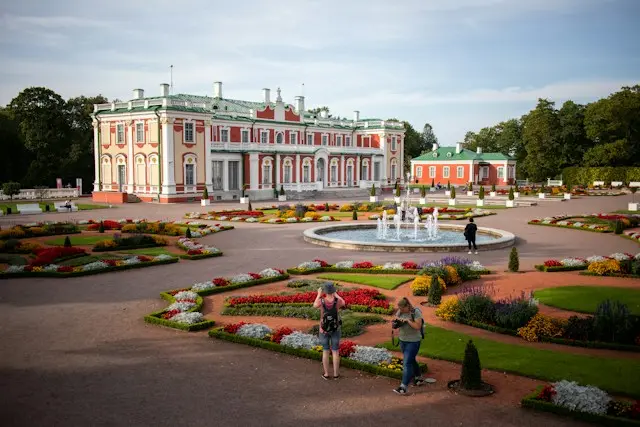
A short tram ride east of the centre, Kadriorg is where Peter the Great ordered a baroque palace built in the early eighteenth century. The palace now houses part of the Estonian art collection, and the surrounding park has formal gardens, ponds and a Japanese garden that blooms in spring. Nearby, the Kumu Art Museum, opened in 2006, is the country's main showcase for Estonian art across several centuries, and its architecture is as interesting as the exhibits.
Telliskivi Creative City and Kalamaja
Telliskivi occupies a former industrial complex and is now the city's creative centre, packed with studios, independent shops, street art, cafes and weekend markets. Next door, Kalamaja is a district of pastel wooden houses that has become one of the most sought-after residential areas in Tallinn. The photography museum Fotografiska operates in this area, and the Balti Jaam market by the railway station is a good place to browse local produce and street food.
Seaplane Harbour and the Waterfront
Lennusadam, or Seaplane Harbour, is a maritime museum housed in huge early twentieth-century concrete hangars. Its collection includes the Lembit submarine from the 1930s and the Suur Tõll icebreaker moored outside. The nearby Noblessner quarter, a former submarine yard, now has restaurants and a marina, which makes it a pleasant place to end an afternoon.
Pirita and the Song Festival Grounds
Pirita is the city's seaside suburb, with a long sandy beach, a river for kayaking and the ruins of the St. Brigitta convent. The nearby Song Festival Grounds hosted the mass singing gatherings that became a symbol of Estonia's independence movement in the late 1980s. Even outside festival season, the open-air arena offers a thoughtful look at how culture shaped the country's modern story.
Tallinn TV Tower
Built for the 1980 Moscow Olympics sailing events, the TV Tower rises to roughly 314 metres and has an observation deck high above the forest on the city's eastern side. It also houses an exhibition on Estonian history and, for thrill seekers, an outdoor walk around the tower's exterior. Check current opening arrangements before you go, since schedules vary by season.
Things to Do in Tallinn
Beyond the main sights, Tallinn has plenty of ways to fill a trip according to your interests. These are some of the most rewarding:
- Take a self-guided or guided walking tour of the Old Town, ideally early in the morning before the cruise crowds arrive
- Climb the tower at St. Olaf's or walk a section of the town wall for rooftop views
- Spend an afternoon gallery-hopping and cafe-hopping in Telliskivi and Kalamaja
- Rent a bike or walk the seafront promenade from the Old Town towards Pirita
- Visit museums on Estonian history, contemporary art or maritime heritage, depending on your taste
- Book a traditional sauna session, a deeply rooted part of Estonian life
- Take an evening stroll through Kadriorg Park when the light is soft and the paths are quiet
- Try a bar or live music venue in the Rotermann Quarter, where old industrial buildings sit beside modern design
If you plan to see several paid attractions, a Tallinn Card can reduce costs. The pass is available in 24, 48 and 72 hour versions, covers public transport and entry to dozens of museums and sights, and is activated on first use. Add up the individual ticket prices for your own itinerary to see whether it pays off, and confirm current prices and inclusions on the official site.

Local Experiences and Food
Estonian Flavours
Estonian cooking leans on rye bread, dairy, smoked fish, forest berries and mushrooms, and seasonal root vegetables. Look for dishes such as sprats on dark rye, hearty soups, and mulgipuder, a porridge of potatoes and barley. Around the winter holidays, blood sausage served with lingonberry is a traditional favourite. For something sweet, try kohuke, a chilled curd snack, or marzipan sweets sold in the city's older cafes.
Cafes, Markets and Craft Drinks
Maiasmokk, one of the city's oldest cafes, is a good place for coffee and cake in a historic setting. Markets such as Balti Jaam give a more everyday view of local food, and Tallinn's craft beer scene has grown steadily, with small breweries and taprooms scattered across Kalamaja and the centre. Vana Tallinn, a rum-based liqueur, is the classic souvenir drink.
Sauna and Everyday Culture
Saunas are central to Estonian social life, and several public options operate in the city, including traditional ones in older neighbourhoods. Expect to use a towel or sheet and follow the venue's rules on swimwear. Another distinctly local touch is the national obsession with singing, which still comes alive in choirs, festivals and impromptu performances throughout the year.
Best Day Trips from Tallinn
Tallinn works well as a base for short excursions, and several destinations are reachable by bus, train or organised tour.
- Lahemaa National Park, around 70 kilometres east, was the first national park in Estonia and combines coastal bogs, forests, fishing villages and well-preserved manor houses such as Palmse
- Helsinki, across the Gulf of Finland by ferry, is a popular overnight or day trip taking about two hours each way on fast services
- Haapsalu, a quiet seaside town to the south-west, has a ruined bishop's castle and a relaxed spa-town atmosphere
- Pärnu, Estonia's long-standing summer resort, offers wide beaches and a lively promenade in the warmer months
- Tartu, the country's university city, is roughly two hours away and has a youthful energy and several excellent museums
Travel times and ferry schedules change by season, so check current timetables when planning.

Best Time to Visit Tallinn
Late Spring and Summer
From May to early September the city is at its most inviting, with long daylight hours, outdoor terraces and festivals. Around midsummer in June the sun sets very late, giving evenings that feel endless. This is also peak season, so expect more crowds in the Old Town.
Autumn
September and October bring colourful trees in Kadriorg and thinner crowds. Temperatures are cool but pleasant for walking, and many cafes and restaurants stay lively.
Winter
Winters are cold and dark, but Tallinn's Christmas market on Town Hall Square is among the most charming in northern Europe. Snow over the medieval rooftops is memorable, provided you pack warm layers and waterproof shoes.
Getting Around and Where to Stay
Most of Tallinn's top sights are within walking distance of each other, so you will do much of your exploring on foot. Cobblestones in the Old Town are charming but uneven, so comfortable footwear matters. For Kadriorg, Pirita, the TV Tower and the airport, trams, buses and trolleybuses are straightforward, and the airport sits only a few kilometres from the centre with a tram connection.
For accommodation, staying in or near the Old Town puts you beside the main sights but at a premium. Kalamaja and the Rotermann Quarter offer a more local feel with good restaurants close by, while Kadriorg is calmer and greener. Book early for summer and the Christmas market period.
Practical Tips for First-Time Visitors
- Estonia uses the euro, and card or contactless payment is accepted almost everywhere, including small cafes
- English is widely spoken, particularly among younger people and in the tourism sector
- Weather can change quickly, so pack a light waterproof layer even in summer
- Visit the most popular Old Town spots early in the morning or in the evening to avoid cruise ship crowds
- Validate or purchase a public transport ticket before boarding, because inspections do occur
- Prices, opening hours and ticket rules change, so confirm details on official sites close to your travel date
- Tallinn is generally safe, but keep ordinary precautions in crowded tourist areas and on late-night streets
Conclusion
Tallinn is the kind of city that rewards curiosity. You can spend a morning among medieval towers, an afternoon in a former factory district full of creative energy, and an evening by the sea, all without needing a car. Whether you have a long weekend or a week, the combination of history, design, nature and food makes it an easy capital to fall for.
Pick a base, leave time to wander, and use the day trips to see how much more Estonia has beyond the capital. Confirm the practical details before you go, and the city will take care of the rest.
Frequently Asked Questions
How many days do you need in Tallinn? +
Two full days cover the Old Town, Toompea, Kadriorg and a neighbourhood such as Telliskivi at a comfortable pace. Three or four days leave room for the seafront, museums and a day trip to Lahemaa National Park or Helsinki.
Is Tallinn worth visiting? +
Yes, particularly if you enjoy medieval architecture, walkable cities and a mix of old and modern culture. It suits short breaks, solo trips and couples, and it works well for families too.
Is Tallinn expensive? +
It is generally more affordable than Helsinki or Stockholm, although prices in the Old Town and during peak season can be higher. Eating in neighbourhoods like Kalamaja and using public transport helps keep costs down.
Is the Tallinn Card worth buying? +
It tends to pay off if you plan to visit several paid museums and towers and use public transport heavily in a short time. If you mainly want to wander and see the Old Town from the outside, buying individual tickets is usually cheaper.
Can you explore Tallinn on foot? +
The Old Town and much of the central area are very walkable. You will want a tram or bus for Kadriorg, Pirita, the TV Tower and the Open Air Museum, though the distances are manageable.
What is the best time of year to visit? +
Late spring through early autumn offers the best weather and the longest days, while December is popular for the Christmas market. Winter is cold but atmospheric if you are prepared for it.
Do I need to speak Estonian? +
No. English is widely used in hotels, restaurants and attractions, and a few polite Estonian words such as aitäh for thank you are appreciated but not expected.