
Table of Contents
Introduction to Florence
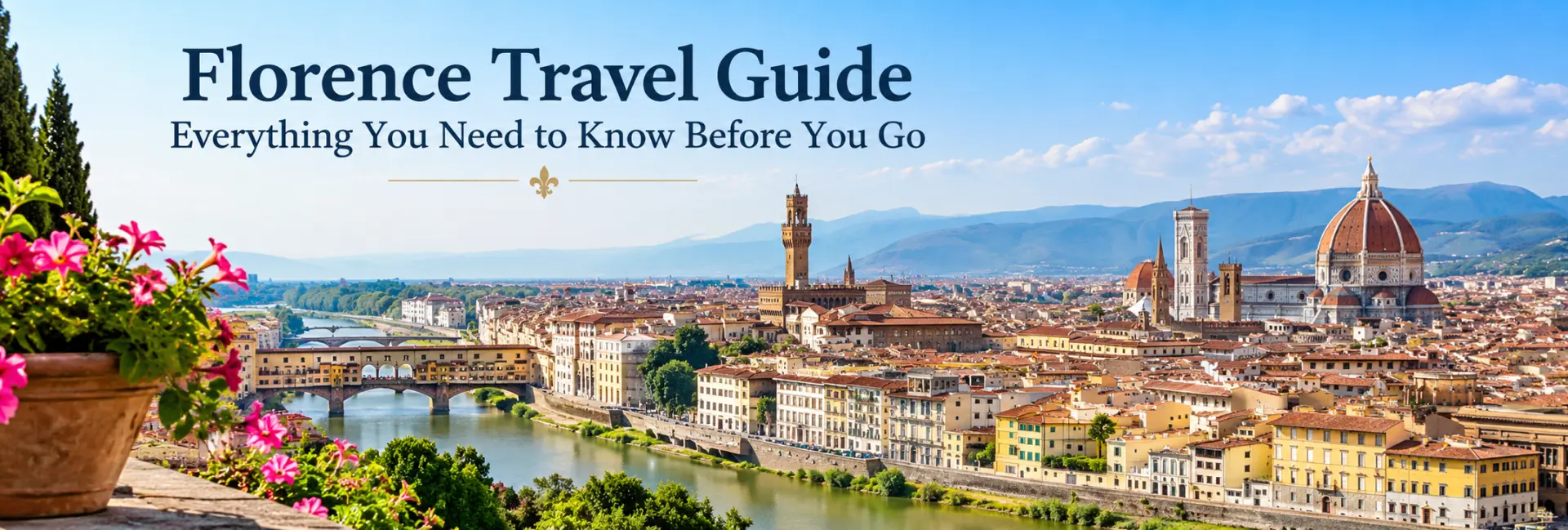
Florence is a small city with an outsized reputation, and once you're actually walking its streets, that reputation makes sense. The entire historic center is compact enough to cross on foot in under half an hour, yet it holds more Renaissance art and architecture per square mile than almost anywhere else on earth. This is the city where the Renaissance effectively started, where the Medici family bankrolled artists like Michelangelo and Botticelli, and where the dome of the cathedral still dominates the skyline the way it did six centuries ago.
What catches most first-time visitors off guard is how walkable and human-scale it all feels. You're not shuttling between distant landmarks on a metro system; you're stumbling from one masterpiece to the next while looking for a place to sit down and eat. That said, Florence gets busy, ticket lines can eat up half a day if you're not prepared, and a bit of planning goes a long way toward making the trip feel relaxed rather than rushed.
Best Time to Visit
Florence has a real high season, and it's worth planning around it rather than getting caught by surprise. Late spring (April to June) and early fall (September to October) offer the best balance of comfortable weather and manageable crowds. Temperatures sit in the 60s to low 80s Fahrenheit, and the light in the late afternoon over the Arno is genuinely one of the best reasons to visit at these times of year.
July and August bring intense heat, often climbing past 90°F with little relief since much of the old city has narrow streets and limited shade. This is also when the crowds peak, thanks to European school holidays. Many Florentines leave the city in August, and some smaller family-run restaurants close for a week or two, so double-check opening hours if you're visiting then.
Winter and Shoulder Season
November through March is Florence's quiet season, and it has real advantages: shorter museum lines, lower hotel rates, and a more local feel to the city. It does mean cooler, sometimes rainy weather, and a handful of restaurants and smaller sites reduce their hours. Late November and early December, before the Christmas crowds arrive, is an underrated window.

Getting to Florence
Florence Airport, also called Peretola or by its code FLR, sits about 4 miles from the city center and mainly handles flights from within Europe. If you're flying long-haul, it's often cheaper and easier to fly into Rome, Milan, or Pisa and connect by train.
From Florence Airport, the T2 tram is the simplest way into town. It runs every 5 to 10 minutes, costs around €1.50, and takes about 20 minutes to reach Piazza della Stazione, right next to Santa Maria Novella, Florence's main train station. Taxis are available outside arrivals if you'd rather skip the tram, particularly useful with heavy luggage or a hotel outside the historic center.
Arriving by Train
If you're coming from Rome, Milan, Venice, or Bologna, the high-speed train is usually faster and more comfortable than flying once you factor in airport transfers. Rome to Florence takes about 1.5 hours on the fastest services, and trains arrive right into Santa Maria Novella, a short walk from most central hotels. Book through Trenitalia or Italo, and buy tickets a few weeks ahead during busy periods since fares climb closer to departure.
Getting Around the City
Florence's historic center is genuinely small. Most of the major sights, the Duomo, Uffizi, Ponte Vecchio, and Piazza della Signoria, sit within a 15 to 20 minute walk of each other. Walking is not just the cheapest way to get around, it's usually the fastest too, since the center has limited traffic access (called the ZTL, or limited traffic zone) and buses can get stuck navigating narrow streets.
- Wear comfortable shoes. Much of the old city is cobblestone, which is charming for about a day and hard on ankles after that.
- Buses run by Autolinee Toscane cover the wider city and are useful for reaching the Piazzale Michelangelo viewpoint or areas outside the center.
- Taxis in Florence only stop at official taxi stands or can be called by phone or app; you generally can't hail one on the street.
- If you're renting a car, know that the ZTL is enforced with cameras and fines for unauthorized entry are common and can arrive months later by mail. Park outside the zone and walk in.

Where to Stay
Where you base yourself changes the whole rhythm of a Florence trip. Staying inside the historic center, near the Duomo or Santa Croce, puts you within walking distance of everything, but rooms are smaller and prices run higher, especially near the main sights.
Oltrarno
The Oltrarno neighborhood, across the river from the main tourist core, has a more residential, workshop-lined feel with artisan studios and quieter squares like Piazza Santo Spirito. It's still a short walk from the center but tends to be calmer in the evenings and often better value.
Near Santa Maria Novella Station
The area around the train station is convenient for day trips and early departures, with a good range of budget and mid-range hotels. Some streets immediately around the station can feel less polished at night, so it's worth checking recent reviews for the specific block.
San Niccolò and San Frediano
These are increasingly popular with travelers who want a more local, less touristy base, with good restaurants and a short walk up to the Piazzale Michelangelo viewpoint for sunset.
Top Things to See and Do
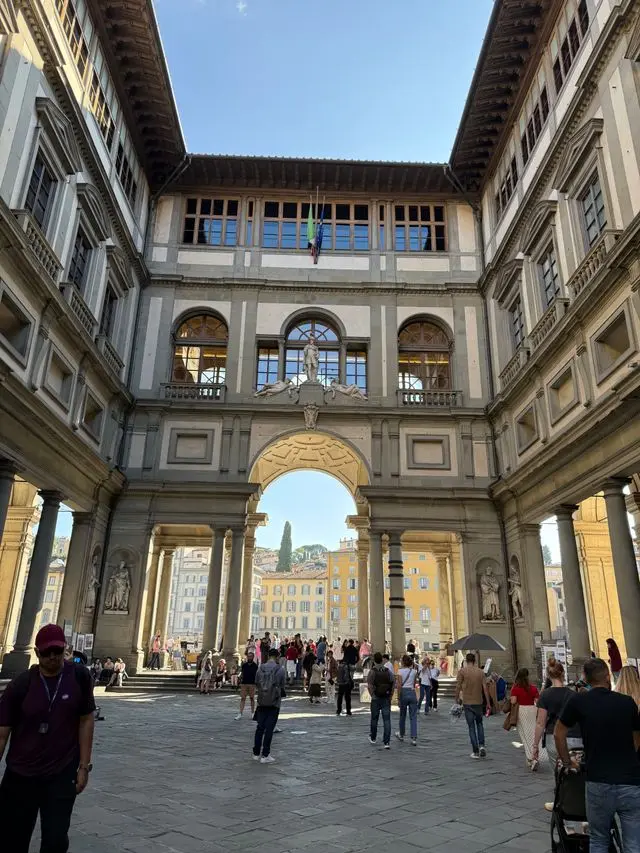
The Uffizi Gallery is the single most important stop for art lovers, housing works by Botticelli, Leonardo da Vinci, and Michelangelo across more than a hundred rooms in a building originally constructed as government offices in the 1500s. Standard adult admission runs around €29, and advance booking through the official ticketing platform is essentially required in peak season since walk-up lines can stretch for hours.
The Galleria dell'Accademia holds Michelangelo's David, arguably the most famous sculpture in the world, along with his unfinished Prisoners series. Entry is timed and strictly enforced, so arrive within your booked 15-minute window.
The Duomo Complex
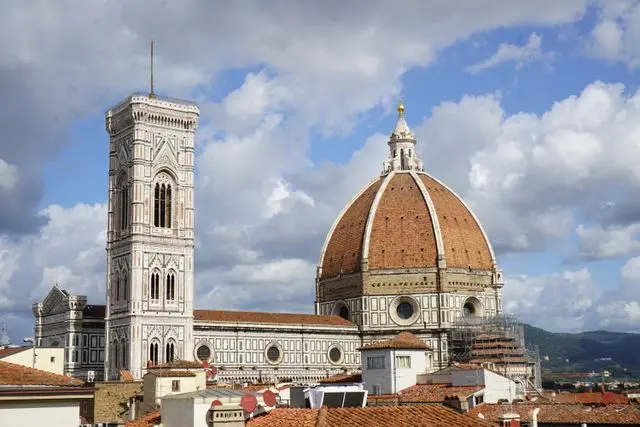
Santa Maria del Fiore, the cathedral known simply as the Duomo, dominates the skyline with Brunelleschi's dome, an engineering feat still studied by architects today. Climbing the dome (463 steps) rewards you with the best panoramic view in the city, but tickets sell out days in advance in summer, so book ahead.
Ponte Vecchio and Piazza della Signoria
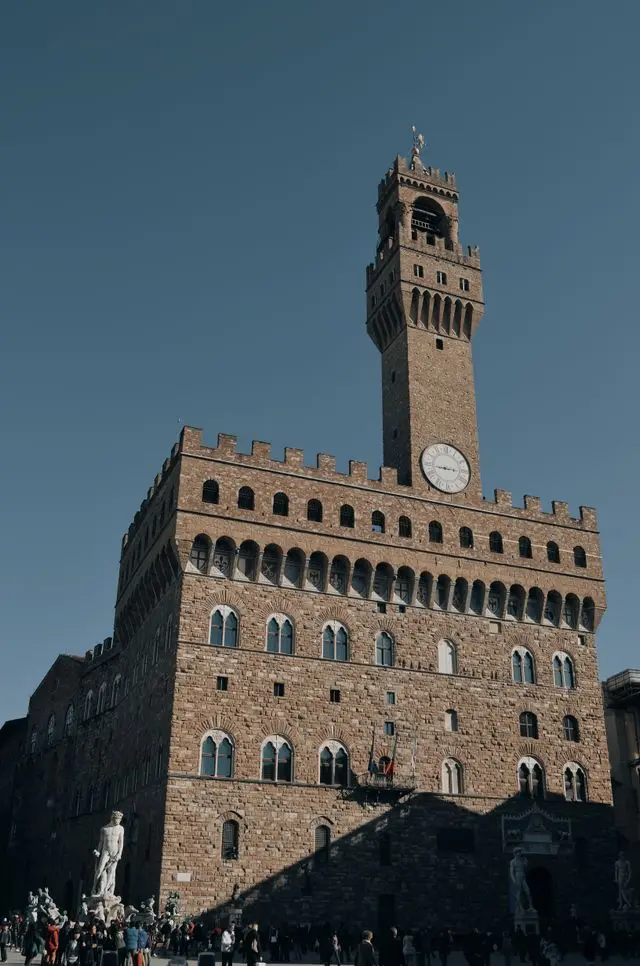
The Ponte Vecchio, lined with gold and jewelry shops, is Florence's oldest bridge and the only one that survived bombing during World War II. Nearby, Piazza della Signoria functions as an open-air sculpture gallery, with a replica of David and the Loggia dei Lanzi's collection of Renaissance and classical statues, free to view at any hour.
Consider a Pass
If you're planning to visit five or more museums over a few days, the Firenze Card, priced around €85 for 72 hours, can work out cheaper than paying separately and includes access to over 70 sites. It does not exempt you from booking timed entry slots at the busiest venues, so you'll still need to reserve those in advance.

Food and Drink
Florentine food is built around simple, high-quality ingredients rather than heavy sauces or elaborate plating. Bistecca alla Fiorentina, a thick-cut T-bone steak grilled rare and served whole for sharing, is the dish the region is best known for, and it's usually priced by weight rather than as a flat per-person cost.
- Ribollita, a hearty bread and vegetable soup, and pappa al pomodoro, a tomato and bread soup, are classic Tuscan comfort food, especially in cooler months.
- Lampredotto, a sandwich made from the fourth stomach of a cow, is sold from street carts around the city and is a genuine local staple, not just a novelty for tourists.
- Tuscan bread is famously made without salt, a tradition that dates back centuries; it's meant to be paired with salty toppings like cured meats and pecorino cheese.
Where and When to Eat
Restaurants near major landmarks like the Duomo or Ponte Vecchio tend to be more expensive and less consistent in quality. Walking ten minutes into the Oltrarno or Santa Croce neighborhoods usually turns up better food at lower prices. Italian meal times run later than many visitors expect, with dinner rarely starting before 7:30pm and many kitchens closing between lunch and dinner service, so check hours before you plan around a specific spot.
Day Trips Worth Taking
Florence's location in the heart of Tuscany makes it a natural base for exploring beyond the city, and the regional train network makes most of these trips easy without a car.
- Siena, about an hour and a half away by direct bus or a bit longer by train with a connection, offers a medieval atmosphere centered on the shell-shaped Piazza del Campo and a striped marble cathedral.
- Pisa, roughly an hour by train, is more than just the Leaning Tower; the surrounding Piazza dei Miracoli complex, including the cathedral and baptistery, is worth a half-day on its own.
- The Chianti wine region, best explored by organized tour or rental car since public transport is limited, offers vineyard visits and small hilltop towns like Greve in Chianti.
- San Gimignano, known for its medieval stone towers, makes for a scenic half-day trip, often combined with a Chianti wine tour.
Money, Costs, and Everyday Practicalities
Italy uses the euro, and while cards are widely accepted, small trattorias, market stalls, and some gelaterias still prefer cash, so it's worth carrying some. Tipping isn't expected the way it is in the US; rounding up or leaving a few euros for good service is generous, and many restaurants already add a small cover charge (coperto) to the bill instead.
Tap water in Florence is safe to drink, and the city has numerous public drinking fountains, often marked with a small plaque, where you can refill a bottle for free. Public restrooms are limited in the historic center, so use facilities at museums or cafes when you can, and expect to pay a small fee at standalone public toilets.
Safety and Etiquette
Florence is generally safe for travelers, though pickpocketing does happen in crowded spots like the Uffizi queue, the train station, and busy markets, so keep bags zipped and in front of you. Dress modestly when visiting churches, shoulders and knees covered, as this is enforced at sites like the Duomo and Basilica di Santa Croce.
Final Tips Before You Go
Book your major museum tickets, the Uffizi, Accademia, and Duomo dome climb, as early as you can, ideally a few weeks ahead if you're traveling in spring or summer. These sell out, and walking up without a reservation often means either a very long wait or no entry at all.
Pack for a lot of walking on uneven surfaces, and bring a layer even in summer since evenings can cool down. A little bit of Italian goes a long way with locals, even just greetings and please and thank you, and most people working in tourism speak enough English to help if you get stuck.
Florence rewards travelers who slow down. Some of the best moments come from wandering into a quiet side street, finding a small trattoria with no English menu, or simply sitting by the Arno as the light changes in the evening, rather than rushing between every major sight on a checklist.
Frequently Asked Questions
How many days do I need in Florence? +
Three full days is a comfortable minimum to see the major museums, the Duomo, and wander the historic center without rushing. Two days works if you're focused only on the essentials, while four or five gives room for a day trip or two.
Do I need to book museum tickets in advance? +
Yes, especially for the Uffizi and Accademia during spring through fall. Walk-up lines can run two hours or more in peak season, and timed-entry tickets are strictly enforced, so advance booking through the official platform saves significant time.
Is Florence walkable, or will I need public transport? +
The historic center is very walkable, and most major sights are within a 15 to 20 minute walk of each other. You'll only need buses or a tram if you're staying outside the center or heading to viewpoints like Piazzale Michelangelo.
Is the Firenze Card worth buying? +
It makes financial sense if you're visiting five or more museums within 72 hours. For a shorter, more focused visit, paying for individual tickets to the two or three sites you actually care about is usually cheaper.
What's the best way to get from the airport into the city? +
The T2 tram is the cheapest and most reliable option, running every 5 to 10 minutes and reaching the main train station in about 20 minutes for around €1.50. Taxis are a good alternative if you have heavy luggage or arrive late at night.
Is tap water safe to drink in Florence? +
Yes, tap water is safe throughout the city, and public drinking fountains are common in the historic center, so bringing a refillable bottle is an easy way to save money and cut down on plastic waste.
When is the best time to visit to avoid crowds? +
Late November through February is the quietest stretch, followed by early spring and October. July and August bring the biggest crowds and highest temperatures, so plan around them if you can.
Do I need to speak Italian to get by? +
No, most people working in restaurants, hotels, and tourist sites speak enough English to communicate comfortably. Learning a few basic phrases is appreciated but not necessary.
Is Florence safe for tourists? +
Florence is generally very safe, with petty theft like pickpocketing being the main concern in crowded areas such as museum queues and the train station. Standard precautions, like keeping bags zipped and in front of you, are usually enough.