
Table of Contents
- Introduction
- How Much Time You Need in Milan
- The Essential Sights: Duomo, the Last Supper and the Galleria
- Beyond the Center: Castello Sforzesco, Navigli and Brera
- Neighborhoods Worth a Detour
- Where to Eat: Milan's Local Dishes and Best Areas for Food
- Day Trips Beyond the City
- Getting Around and Planning Tips
- Conclusion
Introduction
Milan doesn't try as hard to charm you as Rome or Florence do, and that's part of what makes it interesting. This is a working city first, built around business, fashion, and design, with its historic landmarks tucked between office towers, tram lines, and some of the best aperitivo bars in the country. It rewards visitors who treat it less like an open-air museum and more like a city to actually live in for a few days.
This guide covers what to see, where to eat, and how to spend your time whether you have a single overnight layover or a full long weekend. Milan is compact enough to cover on foot and by tram, so you don't need to move at a breakneck pace to see the highlights.
How Much Time You Need in Milan
Two full days cover the essentials: the Duomo, the Last Supper, the Galleria, and one or two neighborhoods beyond the historic core. Three days gives you enough breathing room to add a proper food-focused afternoon in a neighborhood like Navigli or Isola, plus time for a museum that actually interests you rather than the ones everyone rushes through.
If you can stretch to four or five days, use the extra time for a day trip to Lake Como or Bergamo rather than cramming in more sights within the city. Milan is also one of the best-connected cities in Italy by train, so it works well as a base for exploring northern Italy even if the city itself only takes up half your trip.
- 1-2 days: Duomo, Galleria, the Last Supper, and Castello Sforzesco
- 3 days: The full itinerary below, plus a slower afternoon in Navigli or Brera
- 4+ days: Add a day trip to Lake Como, Bergamo, or Lake Garda

The Essential Sights: Duomo, the Last Supper and the Galleria
The Duomo, Inside and on the Roof
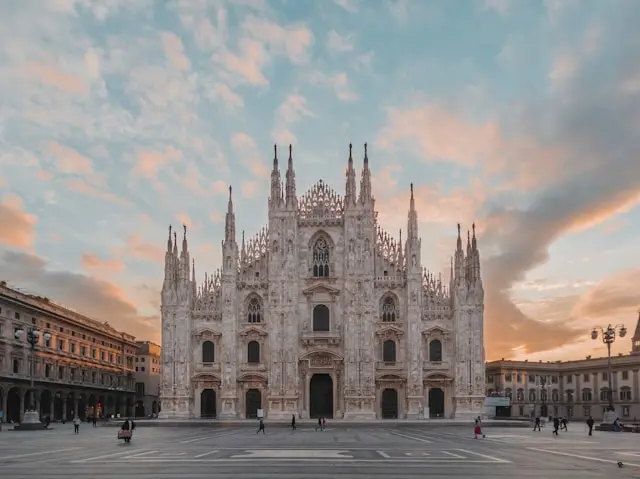
Milan Cathedral took nearly six centuries to complete, and it shows in the density of detail packed into its facade, with thousands of statues covering nearly every surface. Basic entry to the cathedral floor is usually free or low-cost, but the real draw for most visitors is the rooftop terraces, where you can walk among the spires at eye level and, on a clear day, see the outline of the Alps in the distance. There are separate ticket tiers depending on whether you climb the stairs or take the elevator, and combined passes that add the crypt, archaeological area, and Duomo Museum. Because prices and hours shift from year to year, it's worth checking the official Duomo website shortly before your visit rather than relying on older guides.
Leonardo's Last Supper
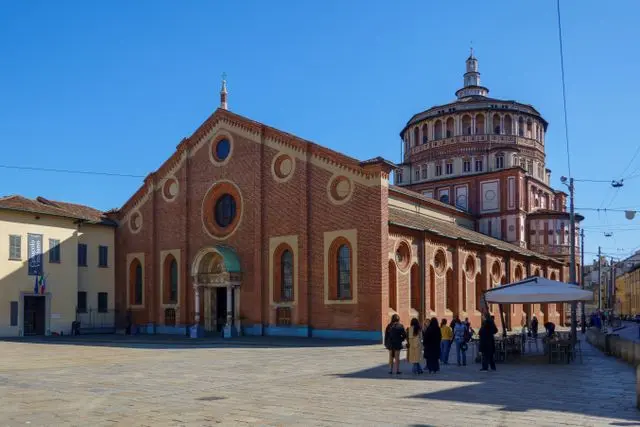
The Last Supper, painted on the wall of the refectory next to the Church of Santa Maria delle Grazie, is one of the hardest tickets in Italy to get on short notice. Only a small number of visitors are let in per time slot, for a strict 15-minute viewing window, and tickets for popular months routinely sell out weeks or even months in advance. If you have a specific date in mind for your trip, book this the moment your dates are confirmed rather than waiting until you land in Milan.
Galleria Vittorio Emanuele II
Connecting the Duomo to La Scala opera house, this 19th-century glass-domed shopping arcade is often called one of the world's oldest shopping malls, and it's worth walking through even if you have no intention of buying anything from the luxury boutiques inside. Look down at the mosaic floor beneath the central dome, where a bull's-eye pattern is said to bring luck if you spin on your heel while standing on it.
Neighborhoods Worth a Detour
Isola
Just north of Milan's striking Porta Nuova skyscraper district, Isola was a working-class neighborhood that's transformed into one of the city's more creative pockets, with independent shops, casual restaurants, and a noticeably younger crowd than the historic center. The Bosco Verticale, two residential towers covered in hundreds of trees and shrubs, sits right at the edge of the neighborhood and is worth a look even from the street.
Porta Romana and Città Studi
These residential areas south and east of the center see far fewer tourists, which is exactly the appeal. They're good places to find neighborhood trattorias, local markets, and a slower pace, particularly if you're staying in Milan for more than a couple of days and want a break from the tourist-heavy streets around the Duomo.
Where to Eat: Milan's Local Dishes and Best Areas for Food
Dishes to Order
Milanese cooking is heavier and more buttery than the tomato-and-olive-oil cuisine most people associate with southern Italy, a legacy of the region's dairy farming and its historic ties to Austria. Risotto alla milanese, colored a deep yellow with saffron, is the dish most closely tied to the city, traditionally served alongside ossobuco, a braised veal shank. Cotoletta alla milanese, a breaded and pan-fried veal cutlet, is another local staple, and it's worth knowing it's a distinct dish from the thinner, more widely known Wiener schnitzel, even though the two are often compared.
- Risotto alla milanese - saffron-infused risotto, often paired with ossobuco
- Cotoletta alla milanese - a bone-in, breaded veal cutlet, thicker than most schnitzel
- Panettone - the sweet, dome-shaped bread associated with Christmas, though good bakeries sell it year-round
- Aperitivo - a pre-dinner drink tradition, usually including a buffet of small snacks included in the price of your drink
- Milan's craft beer and natural wine scene - a newer addition to the city's food culture, concentrated in neighborhoods like Isola and Navigli
Where to Actually Eat
Restaurants directly around the Duomo and Galleria tend to charge premium prices for food aimed squarely at tourists. Navigli has a mix of both tourist-oriented bars and genuinely good kitchens, so it helps to look for restaurants with menus in Italian first, English second, or ones that are clearly busy with locals rather than empty tables with staff waving menus at passersby. Brera and Isola are generally safer bets for a meal that isn't inflated for the crowds near the cathedral.
For aperitivo specifically, arrive between 6:30 and 8 p.m., when most bars set out their evening spread, and expect to pay for your drink rather than the food itself, since the snacks are typically included.
Day Trips Beyond the City
Lake Como
Lake Como is the day trip most visitors add to a Milan itinerary, and for good reason. Direct trains from Milan reach the town of Como in around 30 to 40 minutes, and from there, ferries connect to lakeside towns like Bellagio and Varenna, each with their own villas, gardens, and mountain backdrops. Because the lake is large, it's worth picking one or two towns to focus on rather than trying to see the whole shoreline in a single day.
Bergamo
About an hour from Milan by train, Bergamo is split into a lower, more modern town and an upper old town (Città Alta) perched on a hill, reachable by a short funicular ride. The upper town's Piazza Vecchia and its Renaissance-era buildings make for one of the best-preserved medieval centers in Lombardy, and it's compact enough to see comfortably in half a day.
Lake Garda and Verona
For a slightly longer trip, high-speed trains from Milan reach towns on Lake Garda in about an hour, making it feasible even as a single-day outing. Verona, home to a well-preserved Roman arena and the balcony associated with Shakespeare's Romeo and Juliet, is a bit farther but still workable as a long day trip if you start early.

Getting Around and Planning Tips
Public Transport
Milan's metro, tram, and bus network (ATM) covers the city well, and a single ticket is valid for both the metro and above-ground transit within a set time window. Trams are a particularly pleasant way to get around the historic center, including some vintage orange models that have been running for decades. Validate your ticket when you board, since spot checks do happen and fines are not cheap.
When to Visit
Spring (April to June) and fall (September to October) offer the most comfortable weather for walking around the city. Summer can be hot and, in August especially, quiet in an odd way, since many Milanese leave the city for vacation and some smaller restaurants close for weeks at a time. Fashion Week and major trade fairs also drive up hotel prices significantly, so it's worth checking Milan's events calendar before booking if budget is a concern.
Booking Ahead
The Last Supper is the one booking you genuinely cannot leave to chance, given how far in advance tickets disappear. Duomo rooftop tickets and major museum exhibitions are worth reserving a few days ahead as well, particularly in peak season, even though walk-up availability is more realistic for those than it is for the Last Supper.
- Book Last Supper tickets as soon as your travel dates are set
- Check current Duomo ticket tiers and hours before your trip, since these change periodically
- Pack comfortable shoes for cobblestones, and something slightly dressier if you plan to go out in the evening, since Milan leans a bit more polished than other Italian cities
Conclusion
Milan rewards visitors who don't expect it to feel like a postcard from the moment they arrive. Its highlights, the Duomo's rooftop, Leonardo's fragile fresco, the canals at aperitivo hour, sit alongside a city that's genuinely lived-in, with neighborhoods that have nothing to do with tourism at all.
Give yourself time to wander past the obvious landmarks, book the Last Supper early, and treat the city as a base for exploring the lakes and towns just outside it. That combination, a couple of days in Milan itself plus a day trip or two, tends to leave visitors with a much fuller picture of the region than rushing through the center alone.

Frequently Asked Questions
How many days do I need in Milan? +
Two to three days covers the main sights comfortably, including the Duomo, the Last Supper, and at least one neighborhood beyond the historic center, with extra days better spent on a day trip than more time within the city.
Do I need to book Last Supper tickets in advance? +
Yes, and well in advance. Only a small number of visitors are admitted per time slot, and tickets for popular months often sell out weeks or months ahead of the visit date.
Is Milan expensive compared to other Italian cities? +
Milan tends to run a bit more expensive than cities like Naples or Bologna, particularly for accommodation, though food and transport costs are broadly comparable to other major Italian cities.
What food is Milan known for? +
Risotto alla milanese, cotoletta alla milanese, and ossobuco are the city's signature dishes, alongside panettone and a strong aperitivo culture in the evenings.
What's the best day trip from Milan? +
Lake Como is the most popular choice thanks to its short train ride, while Bergamo's medieval upper town is a strong alternative if you'd rather explore a town than a lake.
Is Milan walkable? +
The historic center is walkable, but Milan is larger and more spread out than cities like Florence, so the metro and tram network are worth using to cover more ground efficiently.
Is the Duomo rooftop worth the extra cost? +
Yes, for most visitors it's the highlight of the visit, offering close-up views of the cathedral's spires and, on clear days, the Alps in the distance.
When is the best time to visit Milan? +
Spring and fall offer the most comfortable weather, while summer can be hot and unusually quiet in August, and prices spike during Fashion Week and major trade fairs.
Is Milan a good base for exploring northern Italy? +
Yes, Milan's rail connections make it easy to reach Lake Como, Bergamo, Lake Garda, and Verona as day trips, or to continue on to cities like Venice and Turin.
Where should I eat away from the tourist crowds? +
Neighborhoods like Brera, Isola, and Navigli generally offer better value and more authentic food than restaurants clustered directly around the Duomo and Galleria.