
Table of Contents
Introduction
Few cities pack as much into so little space as Salzburg. A baroque Old Town, recognized as a UNESCO World Heritage site, spreads along the Salzach river beneath a hilltop fortress, and the Alps begin almost where the city ends. Mozart was born here, The Sound of Music was filmed here, and a brewery founded by monks in 1621 still serves beer from wooden casks.
That density is exactly what makes Salzburg easy to plan. Most headline sights sit within a short walk of each other, while mountains, lakes and alpine villages are only a bus or train ride away. This guide covers the places most worth your time, the local experiences that go beyond the postcard views, and the practical details that save money and frustration.
Prices, opening hours and seasonal schedules change from year to year, so treat the figures below as a starting point and confirm them with the official venue before you travel.
Old Town Highlights
Hohensalzburg Fortress
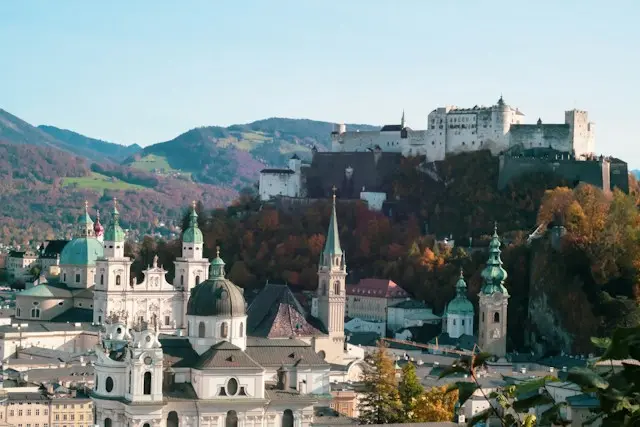
No landmark defines Salzburg's skyline like Hohensalzburg, a medieval fortress whose origins reach back to the late 11th century and which ranks among the largest fully preserved castles in Central Europe. You can climb to it on foot, or ride the FestungsBahn funicular, which has carried visitors since 1892 and completes the ascent in under a minute.
Inside, the courtyards, the panoramic viewing level, the state rooms and several small museums easily fill two to three hours. Opening hours are shorter in the colder months and longer in summer, and the funicular and fortress usually close briefly for maintenance in November, so check the official schedule. Ticket options vary depending on whether you want the funicular and how many museums you want to enter. Both the fortress and the funicular are covered by the Salzburg Card.
Cathedral Quarter and Residenzplatz
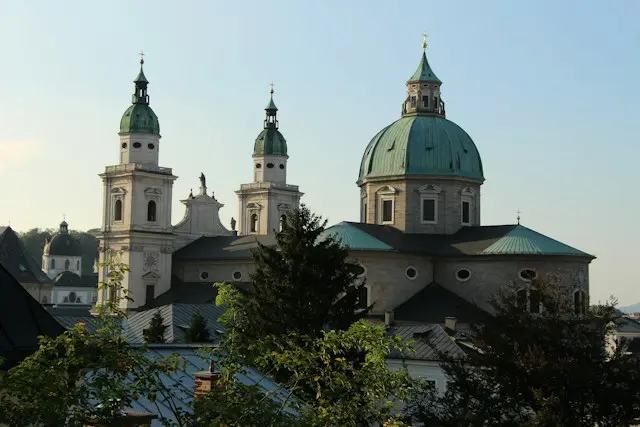
Below the fortress, Salzburg Cathedral anchors a cluster of linked squares. Mozart was baptized in this baroque church in 1756, and the spaces around it are lined with the former palace of the prince-archbishops who once ruled the city. The DomQuartier museum route connects several of these historic buildings if you want to see the grand state rooms and the art collections they hold.
Getreidegasse and Mozart's Birthplace
Getreidegasse is the Old Town's best-known shopping street, recognizable by the ornate wrought-iron guild signs hanging above its shopfronts. Number 9, a yellow townhouse, is where Mozart was born in 1756 and where his family lived until 1773, when they moved to a larger home across the river on Makartplatz.
The museum inside takes about an hour and shows the composer's childhood violin, his clavichord and rooms furnished to reflect family life in the 18th century. A few practical points:
- The rooms are narrow, so arrive when the doors open or late in the afternoon to avoid shoulder-to-shoulder crowds.
- The building is not wheelchair accessible, while the Mozart Residence on Makartplatz is.
- A combined ticket for both Mozart museums is valid for 48 hours from purchase, which suits a relaxed two-day visit.

Palaces, Gardens and Sound of Music Spots
Mirabell Palace and Gardens
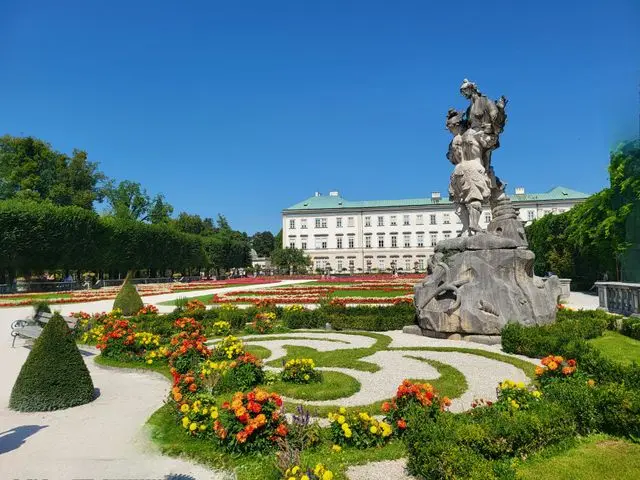
Across the river from the Old Town, Mirabell was built in the early 17th century by a prince-archbishop and later reshaped in baroque style. Today the formal gardens are free to enter and open from early morning until dusk, making them an easy first or last stop of the day. Symmetrical flowerbeds, statues, the Pegasus fountain and a long view toward the fortress make this one of the most photographed spots in the city. The palace's marble hall also hosts concerts.
Hellbrunn Palace and the Trick Fountains
A short trip south of the center, Hellbrunn is a summer residence that Prince-Archbishop Markus Sittikus built for pleasure rather than politics. Its mannerist trick fountains have been startling visitors for more than 400 years. Hidden jets are triggered during the guided tour, so expect to be splashed, and bring that sense of humor with you.
Tours run every 15 to 20 minutes, and the ticket also covers the palace with its permanent exhibition and a folklore museum. The extensive park is worth a stroll afterward. You can reach Hellbrunn by city bus or by boat on the Salzach, and entry is included in the Salzburg Card. In Advent, the courtyard turns into a small Christmas market.
Following The Sound of Music
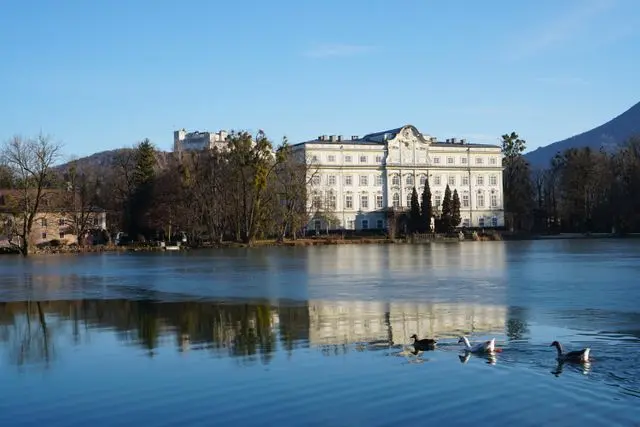
Fans of the 1965 film have two options. Organized bus tours cover the main locations in roughly half a day, while independent visitors can build their own route using public transport. Good starting points include the Mirabell Gardens, where the Do-Re-Mi scene was staged, Nonnberg Abbey above the Old Town, and the glass gazebo that now stands in the grounds of Hellbrunn. The wedding scene was filmed at the church in nearby Mondsee, an easy detour if you are exploring the lakes.
Mountains, Views and Outdoor Escapes
Mönchsberg
The wooded cliff that rises right behind the Old Town is Salzburg's easiest escape from the crowds. Paths run along its ridge between viewpoints, and a public lift carries you up from the streets below if you prefer not to climb. The top has a modern art museum and cafés, and an unhurried walk along the edge brings you to the fortress from the quiet side.
Untersberg Cable Car
For a real alpine panorama, head to the Untersberg, a mountain on the border with Germany. The cable car leaves from Grödig/St. Leonhard, about 10 kilometers south of the city, and climbs more than 1,300 meters in roughly eight and a half minutes. The top station, Geiereck, sits at 1,776 meters, and an easy path leads on to the Salzburg Hochthron summit at 1,853 meters.
Take city bus 25 to the valley station, and expect departures about every 30 minutes. It is noticeably colder and windier at the top than in the valley, so bring a jacket and sturdy shoes. The cable car has an annual maintenance break in the quieter season, and the Salzburg Card covers both the ascent and descent as long as the card is still active for the return ride.
Kapuzinerberg
Mönchsberg's quieter sibling sits on the opposite bank of the Salzach. Shaded trails lead through forest to lookout points over the rooftops, and the writer Stefan Zweig once lived in a house on its slope. Locals come for a lunchtime walk, which says a lot about how peaceful it is.

Local Food and Drink Experiences
Augustiner Bräustübl in Mülln
Founded by Augustinian monks in 1621, this is one of the largest beer halls in Austria and a genuine local institution. The system is part of the fun: you pick up a stone mug, rinse it at the fountain, pay at the counter and collect your beer, often poured from a wooden cask. Drinks have to be bought on site, but you are welcome to bring your own food, and you can also buy snacks and meals from stalls inside.
The classic Märzen is available year-round, with a Fastenbier during Lent and a Bockbier in November and December. Expect noise and queues on busy evenings, and go earlier in the day if you want a calmer visit. The Stiegl Brauwelt brewery offers a smaller, more relaxed alternative.
Coffee Houses and Sweet Specialties
Salzburg takes its pastry seriously. A few traditions to try:
- Salzburger Nockerl: a large, airy sweet soufflé, often said to represent the hills around the city.
- Mozartkugel: the chocolate-covered pistachio and marzipan ball first made in Salzburg in 1890 by confectioner Paul Fürst, and still sold by his family's cafés.
- Historic coffee houses such as Café Tomaselli on Alter Markt, where you can linger over cake and coffee as visitors have for generations.
Street Food: The Bosna
For a quick, cheap bite, look for a Bosna, Salzburg's signature street snack. It is a grilled sausage tucked into a bun with onions, mustard and a dusting of curry powder. It is not refined, but it is deeply local and a good way to refuel between sights.
Day Trips from Salzburg
Hallstatt
This lakeside village about 75 kilometers southeast of Salzburg is one of Austria's most photographed places. It is doable in a day, though the journey takes effort. There is no direct train: you change at Attnang-Puchheim, and the Hallstatt station sits on the opposite shore, where a short ferry takes you across to the village. Allow roughly two and a half to three hours each way by train. Buses via Bad Ischl take a similar amount of time, while an organized tour or a private car is quicker.
Tour groups crowd the main square from late morning through the afternoon, so an early start pays off. If your schedule allows it, staying overnight lets you see the village once the day visitors have left. The Salzwelten salt mine, reached by funicular above the village, is a good rainy-day option.
Lakes and Castles of the Region
The Salzkammergut lake district begins on Salzburg's doorstep. Bus 150 passes through St. Gilgen on the Wolfgangsee, and Mondsee is another pretty stop with its famous church. South of the city, the Werfen area is known for Hohenwerfen Castle and the Eisriesenwelt ice cave, a seasonal excursion that suits adventurous travelers. Across the German border, the Berchtesgaden region and the Königssee are also within day-trip range.

Seasonal Experiences
Christmas Markets and Advent
Winter is one of the most atmospheric times to visit. The main Christkindlmarkt fills Domplatz and Residenzplatz beneath the cathedral and the fortress, and the tradition of a market on this square stretches back centuries. It typically opens in the second half of November and runs into early January, with roughly a hundred stalls selling crafts, ornaments and seasonal food.
Smaller markets appear at Mirabellplatz, on the fortress and at Hellbrunn, and they are often quieter and more local. Early December also brings Krampus runs, a regional tradition in which costumed figures parade through the streets. Dates vary yearly, so check the official calendar when you plan.
Music, Festivals and Summer
Salzburg is a music city all year round. The Salzburg Festival, founded in 1920, fills the summer with opera, theater and concerts, and its traditional Jedermann performance is staged on the cathedral square. Mozart Week arrives in late January. Even outside festival periods, you can attend concerts in the fortress and in palace halls, and evening performances there tend to sell out sooner than daytime visits. Book ahead for anything you care about.
Practical Tips for Your Trip
Is the Salzburg Card Worth It?
The Salzburg Card gives one-time entry to more than 30 attractions plus use of the city buses for 24, 48 or 72 hours from first use. The official 2026 adult prices are 38, 45 and 49 euros from April to October, and 35, 41 and 44 euros from November to March, with children aged 6 to 15 paying half. The card includes the fortress and funicular, Hellbrunn, the Untersberg cable car and both Mozart museums, but it does not cover S-Bahn trains.
As a rule of thumb, it pays off if you plan to see at least three paid sights in a short time. If you prefer slow days, walking and cafés, individual tickets may cost less. Check the current price list before buying.
Getting Around
The Old Town is compact and mostly pedestrian, so walking is the best way to explore it. Trolleybuses and buses connect the main railway station, Mirabell and outlying sights such as Hellbrunn and the Untersberg. Rain is common, so keep a compact umbrella handy and a few indoor options in mind, such as the museums and coffee houses above.
When to Go
Spring and early autumn offer mild weather and manageable crowds. Summer is lively but busy, particularly during the festival, while December is cold, with highs around 4°C and lows near -2°C, but wonderfully festive. Winter evenings are early, so plan indoor stops once the light fades.
A Simple Two-Day Plan
- Day one: Mirabell Gardens in the morning, the Cathedral Quarter and Getreidegasse before lunch, Hohensalzburg Fortress in the afternoon and dinner at a traditional inn.
- Day two: Hellbrunn in the morning, a late lunch at Augustiner Bräustübl, then the Untersberg cable car or a Mönchsberg walk for sunset views.
- A third day suits a Hallstatt or Salzkammergut excursion.
Conclusion
Salzburg rewards both the traveler who wants a tidy checklist and the one who prefers to wander. The fortress, Mozart's birthplace and the palaces cover the essentials, while the beer hall, the mountain trails and a quiet corner of the Kapuzinerberg are what make the trip memorable.
Give the city at least two full days, add a third for an alpine excursion if you can, and confirm opening hours and prices for your travel dates. Do that, and Salzburg is one of the easiest and most satisfying cities in Europe to enjoy at your own pace.
Frequently Asked Questions
How many days do you need in Salzburg? +
Two full days cover the main sights, and a third day allows time for Hallstatt, the Untersberg or another excursion.
What is the best time of year to visit Salzburg? +
Late spring and early autumn bring mild weather and fewer crowds, while the Christmas markets make late November and December especially atmospheric.
Is the Salzburg Card worth buying? +
It tends to pay off if you plan to visit three or more paid attractions within a day or two, since it also covers city buses; slower itineraries may be cheaper with individual tickets.
Can you visit Hallstatt as a day trip from Salzburg? +
Yes, but allow roughly two and a half to three hours each way by public transport, start early to beat the tour groups, and consider staying overnight if you want a quieter experience.
Do I need to book tickets in advance? +
Booking ahead is wise for evening concerts, summer weekends and the most popular attractions, while many sights are easy to enter on the day outside peak season.
Can I see the Sound of Music locations without a tour? +
Yes, several locations including the Mirabell Gardens, Nonnberg Abbey and the gazebo at Hellbrunn can be reached on foot or by local transport.
Is Salzburg wheelchair accessible? +
Accessibility varies by site: Mozart's Birthplace is not wheelchair accessible, the Mozart Residence is, and the fortress involves stairs and slopes, so check each venue before you go.
What local foods should I try? +
Start with Salzburger Nockerl, a Mozartkugel and a Bosna sausage, then finish with a beer at Augustiner Bräustübl.