
Table of Contents
Introduction
Brussels rarely tops anyone's bucket list, and that is part of its charm. It is a compact, layered city where a gilded medieval square sits a few minutes' walk from comic-strip murals, Art Nouveau townhouses and a street food scene built on fries, waffles and chocolate. It is also the capital of Belgium and a major hub for European institutions, so it is easy to reach and easy to combine with other trips.
This guide covers the practical things worth knowing before you book: how to arrive, how to get around, when to go, where to stay, what to see and eat, and how to avoid the common tourist snags. Prices, service changes and entry rules move quickly, so check the official sources named below close to your travel date.
Getting to Brussels
By Train
Most international visitors arrive at Brussels-Midi (Brussel-Zuid), the city's main rail hub. Eurostar links it directly with London in roughly two hours, and high-speed services connect it with Paris, Amsterdam and Cologne. Domestic trains from Bruges, Ghent, Antwerp and Liège also arrive here, and most continue on to Brussels-Central, which is the more convenient stop for the historic centre.
Travellers from outside the EU should note the new Entry/Exit System, which replaces passport stamping with biometric registration at Schengen borders. It began rolling out in October 2025 and was due to be fully in place by April 2026. First-time crossings can take longer, so leave extra time before a Eurostar departure and check the latest guidance on the Eurostar website.
By Air
Brussels Airport (Zaventem) sits just outside the city, and a train takes you to Brussels-Central or Brussels-Midi in about 15 to 20 minutes. Budget carriers often use Brussels South Charleroi Airport instead. It is around an hour from the city by shuttle bus, so factor in the extra time and the coach fare when comparing flight prices.
By Road
Driving into Brussels is rarely worth it for a short stay. The city has a low-emission zone, parking is limited and pricey, and the centre is compact enough to cover on foot and by metro. If you do arrive by car, park at your hotel or at a park-and-ride and use public transport from there.

Getting Around the City
Metro, Tram and Bus
The STIB/MIVB network runs the metro, trams and buses, and most of the main sights are within a few stops of each other. Trams are useful for reaching neighbourhoods the metro skips, such as Ixelles and Saint-Gilles. Services run less often on evenings and Sundays, so check the STIB app for live departures.
Tickets and Fares
The easiest option for visitors is to tap a contactless bank card, phone or watch on the validator. A single fare covers unlimited transfers for 60 minutes, and daily spending is capped. Reported fares have changed a few times in recent years and vary between sources, so confirm the current single, day and 10-journey prices on the official STIB site before you travel.
- Validate every time you board, even on connections, because inspectors do issue fines for unvalidated travel.
- The MOBIB card suits longer stays, but it is unnecessary for a weekend visit.
- The airport bus and train use separate fare structures, so buy those tickets as directed at the airport.
On Foot and by Bike
The Grand-Place, Sainte-Catherine, the Sablon and the Royal Quarter are all within about 20 to 30 minutes on foot of each other. Streets are cobbled in places and the city climbs gently toward the Upper Town, so bring comfortable shoes. Shared bikes and scooters are available, but the traffic can be busy for nervous riders.
A Note on Disruptions
Brussels sometimes has planned works and strike days that disrupt trains and trams. One example is a reported year-long suspension of tram services between Brussels-Midi and Porte de Hal that began in April 2026. Check the STIB and SNCB (Belgian railways) sites for the situation on the dates you plan to travel.
Best Time to Visit
Brussels is a year-round destination, but the weather is changeable in every season, so pack a light rain jacket whatever the month. Late spring through early autumn brings the longest days and the best conditions for terrace drinks, parks and walking tours. Those months are also the busiest, so book central hotels early.
Winter has its own appeal. The Christmas markets and light displays around the city centre bring a festive atmosphere, and museums and cafés are cosy and less crowded. The trade-off is short daylight hours and colder, damp weather.
If you want fewer crowds and reasonable prices, aim for late April to early June or September to October. Many museums close on Mondays, so plan your sightseeing around that rather than finding shutters down.

Where to Stay
Historic Centre (Around the Grand-Place)
This is the classic choice for a first trip. You can walk to the main sights, and the restaurants, chocolate shops and bars are on your doorstep. It can be noisy at night and busy with tourists, and rooms cost more than in outer districts.
Sablon and the Royal Quarter
Slightly calmer and more polished, this area has antique dealers, chocolatiers and several major museums nearby. It suits couples and travellers who want a quieter base within walking distance of the centre.
Ixelles and Saint-Gilles
These lively residential districts are known for Art Nouveau architecture, independent cafés and a more local feel. They are a short tram or metro ride from the centre and often offer better value. They suit repeat visitors and anyone who prefers neighbourhood life over sightseeing hotspots.
Near the Stations
Staying near Brussels-Central is practical for early trains, and it is much more convenient than staying near Midi. The area around Midi can feel unwelcoming late at night, so if you have an early Eurostar consider a hotel near Central and take a short ride in the morning.
Top Things to See and Do
The Grand-Place
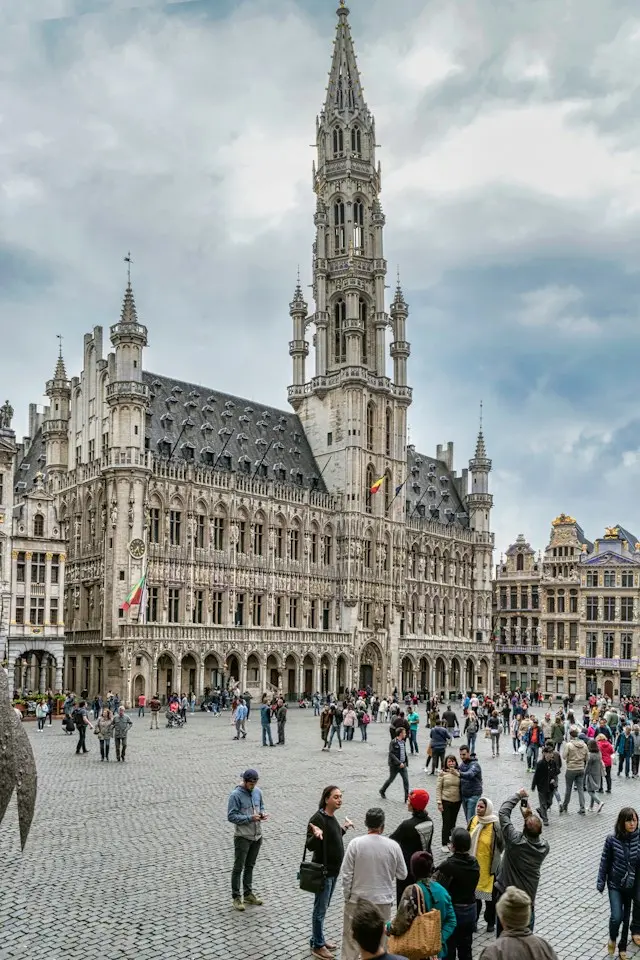
Brussels' main square is a UNESCO World Heritage Site, ringed by ornate guildhalls and the Gothic town hall. It is spectacular in daylight and even better after dark when the facades are lit. Arrive early in the morning if you want photos without the crowds.
Manneken Pis and the Comic Strip Trail
The small bronze statue of a boy is a quirky local icon, and he is often dressed in costumes for special occasions. Nearby, a trail of comic-strip murals celebrates Belgium's strong tradition in the genre, which includes Tintin and The Smurfs. The Comic Strip Center is worth a visit if you want more context.
Atomium
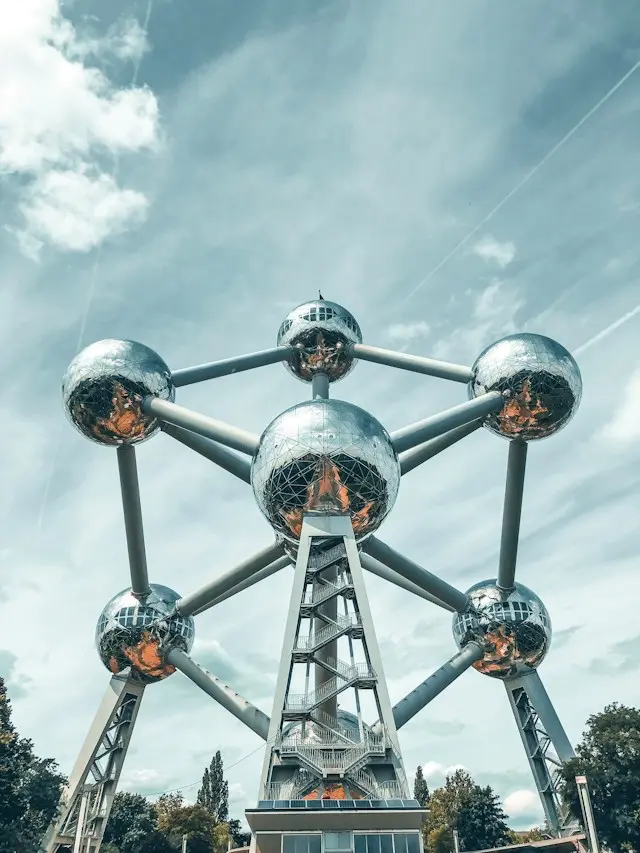
Built for the 1958 World's Fair, the Atomium is a giant model of an iron crystal that has become a symbol of the city. You can go inside its spheres for exhibitions and a panoramic view. It sits north of the centre, so allow time for the metro ride.
Museums and Architecture
The Royal Museums of Fine Arts include a dedicated Magritte Museum for fans of surrealism. Art Nouveau lovers should look at the townhouses designed by Victor Horta, which are among the finest examples of the style. The Cinquantenaire Park and its triumphal arch make a good free stop for a walk.
Galleries and Shopping Streets
The Galeries Royales Saint-Hubert are elegant glass-roofed arcades from the 19th century, filled with chocolatiers, bookshops and cafés. They are a good place to shelter from rain, and the surrounding lanes are packed with small shops.
Passes
The Brussels Card bundles entry to dozens of museums and attractions for 24, 48 or 72 hours, with an option that adds public transport. It pays off only if you plan to visit several paid sites in a short time, so compare the total against individual tickets before buying.

What to Eat and Drink
Belgian Classics
Frites are the national snack, usually served in a paper cone with mayonnaise or a range of sauces. Mussels with fries are a traditional dish, especially in the cooler months. Stews cooked in beer, known as carbonnade, are a hearty local favourite.
Waffles and Chocolate
Brussels waffles are light, rectangular and crisp, often served with sugar or fruit and cream, while Liège waffles are denser and sweeter. For chocolate, look beyond the tourist-heavy shops and try small artisan makers, many of whom sell in the Sablon area. Tasting a few pralines from different shops is an easy and affordable way to compare styles.
Beer
Belgium's beer culture is a major reason to visit. Brussels is known for lambic, a spontaneously fermented beer that produces sour styles such as gueuze and fruit-flavoured kriek. Ask for recommendations in a good beer café, and note that many Belgian beers are strong, so pace yourself.
Eating Out Tips
- Restaurants near the Grand-Place can be pricey, so walk a few streets away for better value.
- Lunch menus are often cheaper than dinner menus for the same quality.
- Reserve ahead for popular restaurants on Friday and Saturday evenings.
Money, Language and Local Etiquette
Belgium uses the euro, and cards and contactless payments are widely accepted. A little cash is still useful for small cafés, market stalls and some fries stands. Service is normally included in restaurant bills, so tipping is optional, and rounding up or leaving a small amount for good service is enough.
Brussels is officially bilingual in French and Dutch, and you will see both on signs, which can make street names look confusing at first. French is the most commonly heard everyday language in the city, and English is widely spoken in tourist areas, hotels and restaurants. Starting with a simple "bonjour" or "goedendag" is appreciated and costs nothing.
Shop hours vary by neighbourhood, and many smaller shops close on Sundays. Museums often close on Mondays, and restaurants may shut on certain weekdays. It is worth checking opening hours online rather than assuming.
Staying Safe and Avoiding Hassles
Brussels is a generally comfortable city for visitors, but like any large European capital it has petty crime in busy places. Pickpocketing is reported around major stations, on crowded trams and in tourist hotspots, and Brussels-Midi has a particular reputation. Keep bags zipped and in front of you, and never leave luggage unattended, even briefly.
- Keep your phone and wallet in inside pockets rather than back pockets.
- Be alert around ticket machines and at the top of escalators, where distractions are common.
- Use licensed taxis or ride-hailing apps rather than accepting offers from people approaching you at stations.
- Some areas feel less comfortable late at night, so use main streets and well-lit routes on your way back to your hotel.
For emergencies in Belgium, dial 112 from any phone. It is also worth keeping a photo of your passport and a note of your accommodation address on your phone in case of loss.
A Simple Two-Day Plan
Day One: The Historic Centre
Start early at the Grand-Place before the crowds arrive, then wander through the Galeries Royales Saint-Hubert. Visit Manneken Pis and follow the comic-strip murals through the nearby streets. In the afternoon, head up to the Sablon and the Royal Quarter for a museum, and finish with dinner and a beer in a traditional café.
Day Two: Art, Architecture and the Atomium
Spend the morning in Ixelles or Saint-Gilles looking at Art Nouveau facades and stopping for coffee. Head north to the Atomium in the afternoon for the views and exhibitions. If time allows, finish at the Cinquantenaire Park for a relaxed walk before dinner.
Conclusion
Brussels rewards visitors who slow down and look closely. Its highlights are close together, its food is memorable and its neighbourhoods each have their own character. A bit of planning around transport, timing and safety will let you spend your time enjoying the city rather than dealing with problems.
Before you go, check current fares, service changes, museum opening hours and entry requirements on official sites. Then pack comfortable shoes, an umbrella and an appetite.
Frequently Asked Questions
How many days do you need in Brussels? +
Two full days cover the main sights, and three days let you add museums, a food tour or a day trip to Bruges, Ghent or Antwerp.
Is Brussels expensive? +
Costs are moderate for Western Europe. Hotels near the centre are the biggest expense, while food, public transport and many attractions are reasonable if you avoid the tourist-heavy restaurants.
Do I need to speak French or Dutch? +
No, English is widely spoken in tourist areas, hotels and restaurants. Learning a few French or Dutch greetings is polite and often gets a warm response.
Is Brussels safe for tourists? +
It is generally safe, but petty theft such as pickpocketing does happen, especially around stations and crowded trams. Keep valuables secure and stay aware of your surroundings.
Is the Brussels Card worth it? +
It helps if you plan to visit several paid museums in a short period, particularly with the transport option added. If you only plan one or two attractions, buying individual tickets is usually cheaper.
What is the best way to get from the airport to the city? +
From Brussels Airport, the train to Brussels-Central or Midi takes roughly 15 to 20 minutes and is usually the quickest option. From Charleroi, you will need a longer shuttle bus ride.
Can I do a day trip from Brussels? +
Yes, Ghent, Bruges, Antwerp and Leuven are all easy to reach by train, and each can be a full-day or half-day outing from the city.
Do I need a visa or extra travel authorisation? +
It depends on your nationality. Non-EU travellers should check Schengen entry rules, the Entry/Exit System registration process, and the current status of the EU's ETIAS travel authorisation before travelling.