
Table of Contents
Introduction
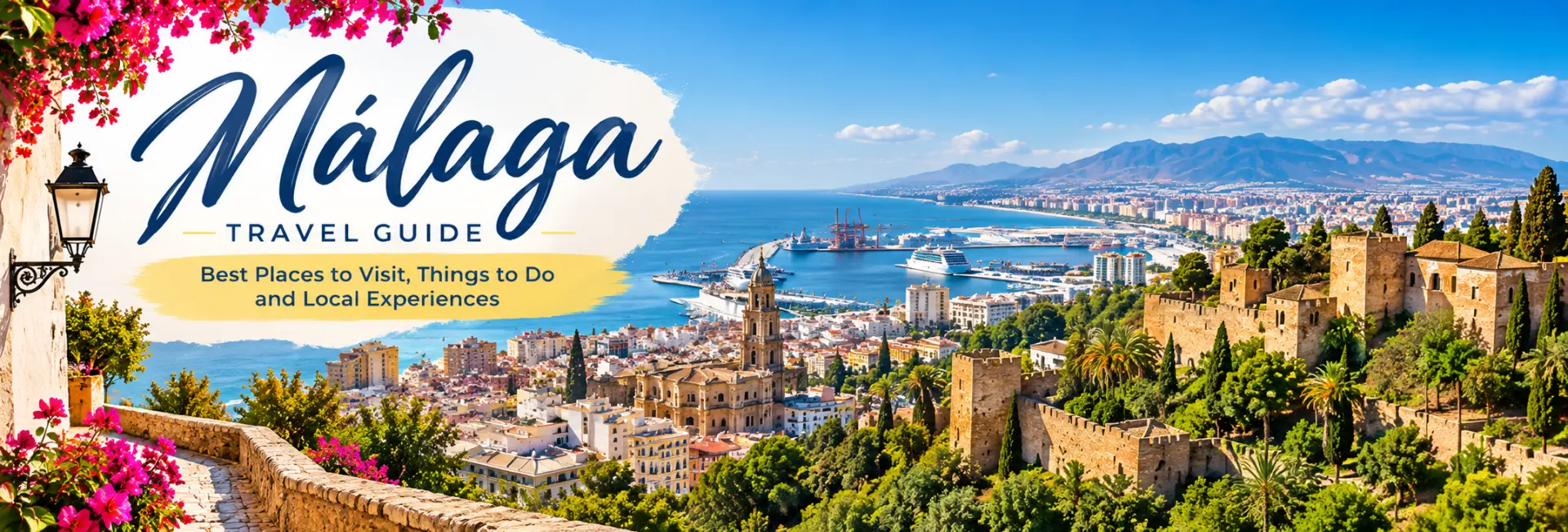
Málaga is the capital of Spain's Costa del Sol, and for years many travellers treated it as little more than an airport. That view is outdated. The city has roughly 3,000 years of history, a compact historic centre, dozens of museums, a lively seafront and some of the best tapas in Andalusia, all backed by hills that catch the afternoon sun.
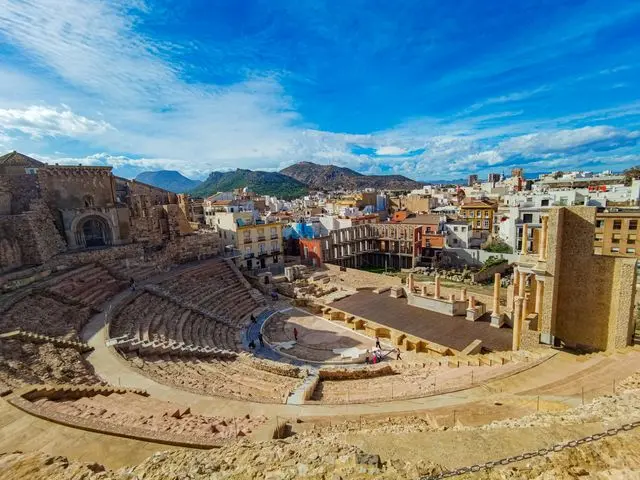
Founded by the Phoenicians, then shaped by Romans, Moors and Christian rulers, Málaga wears its layers openly. A Roman theatre sits at the foot of a Moorish fortress, a cathedral looms beside narrow lanes, and a modern glass cube rises over the harbour. This guide explains what to see, what to do, what to eat and how to plan a trip that feels relaxed rather than rushed.
Best Places to Visit in Málaga
The Alcazaba
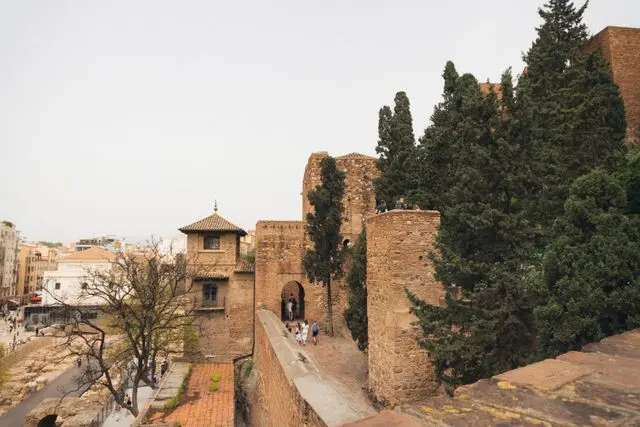
This hilltop palace-fortress dates mainly from the 11th century and is one of the best-preserved Moorish fortifications in Spain. Visitors climb through a sequence of gates, courtyards, gardens and fountains, with arches and ornamental tilework that recall a smaller version of Granada's Alhambra. Every turn offers views over the port and the rooftops.
Allow at least an hour. The ramps and steps are steep in places, so wear comfortable shoes and bring water in summer.
Gibralfaro Castle
Above the Alcazaba, Gibralfaro was rebuilt in the 14th century as a lookout and military stronghold, and a fortified corridor known as La Coracha once linked the two. You can walk its ramparts for a full panorama of the harbour, the bullring and the coastline. The climb from the city takes about 20 minutes on foot, or you can take a local bus or taxi to the top.
The Roman Theatre
At the foot of the Alcazaba lie the remains of a theatre built in the 1st century BC. It was rediscovered in the 20th century and now sits beside a small interpretation centre. Entry has traditionally been free or very low-cost, which makes it a quick and rewarding stop.
Málaga Cathedral
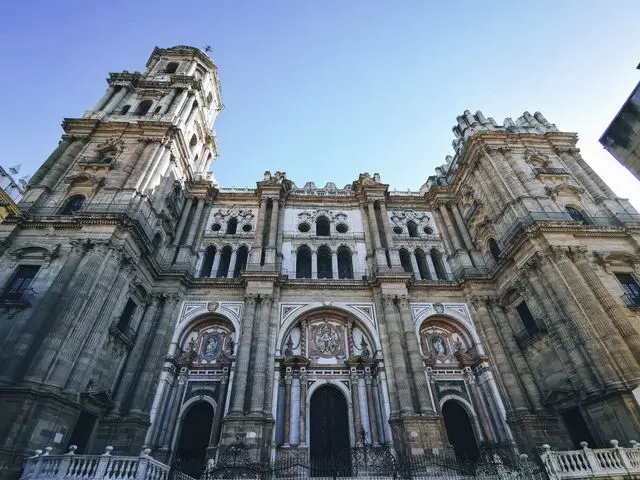
Locals call it La Manquita, the one-armed lady, because only one of its two planned towers was ever completed. The interior blends Renaissance and baroque styles, with ornate choir stalls and tall, light-filled vaults. A rooftop visit, where available, gives you a different angle on the city.
The Picasso Museums
Pablo Picasso was born in Málaga in 1881, and the city has built a strong cultural identity around him. The Museo Picasso Málaga occupies a restored Renaissance palace and traces his career through paintings, drawings and ceramics. A few minutes away on Plaza de la Merced, the Casa Natal de Picasso is the house where he was born and is a smaller, more personal museum.
Centre Pompidou and Muelle Uno
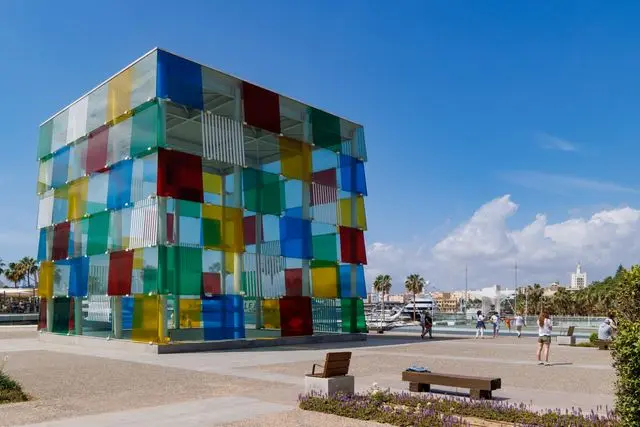
Beside the port, a brightly coloured glass cube marks the Centre Pompidou Málaga, a branch of the Paris museum devoted to modern and contemporary art. Muelle Uno, the redeveloped quay around it, is a pleasant promenade lined with shops, restaurants and sea views, and it is especially nice at sunset.
Atarazanas Market
Beneath a striking stained-glass window and a surviving Moorish horseshoe arch, this central market sells fresh fish, fruit, cured ham, olives and spices. Come in the morning when the stalls are busiest, or stop at one of the small counters for a quick tapa.
Soho and the Botanical Garden
The Soho district, just south of the centre, is known for large-scale street murals and independent cafes. The Jardín Botánico-Histórico La Concepción, a short bus ride north, offers shaded paths, tropical plants and a lookout, and is a welcome escape on hot days.

Things to Do in Málaga
Stroll Calle Larios and the Old Town
Calle Larios is the elegant pedestrian shopping street leading toward Plaza de la Constitución. Side streets branch off into a tangle of small squares, church facades and tapas bars. Wander without a plan and use the Alcazaba or cathedral as landmarks.
Walk the Seafront Promenade
From the port, a broad promenade runs beside La Malagueta beach and continues east toward Pedregalejo and El Palo. The route passes beach bars, fishing boats and small bays, and it makes an easy day of swimming, walking and eating.
Catch a Rooftop View
Several hotels and bars around the centre have rooftop terraces overlooking the cathedral and port. Go early for sunset, as the best tables fill quickly, and expect cocktail prices rather than tapas prices.
Watch Live Flamenco
Flamenco is rooted in Andalusia, and Málaga has venues ranging from small intimate tablaos to larger theatres. Choose a smaller venue with a short running time if you want an up-close, authentic performance, and book in advance during busy periods.
Take a Bay Cruise
Catamaran and sailing trips depart from the port and head along the coast, often with a swim stop. Morning departures are calmer and cooler, while sunset cruises tend to sell out in high season.
Local Experiences and Food
Málaga's Signature Dishes
Local cooking is built on the sea, olive oil and the sun. Look for these on menus:
- Espetos de sardinas, fresh sardines skewered and grilled over open fires in boats filled with sand, a seafront classic
- Pescaíto frito, a mixed platter of lightly floured and fried small fish, squid and anchovies
- Ajoblanco, a chilled soup of almonds, garlic and olive oil, often topped with grapes or melon
- Gazpachuelo, a warm fish and potato soup finished with mayonnaise
- Porra antequerana, a thick cold tomato soup similar to salmorejo, garnished with ham and egg
Taste Málaga's Sweet Wines
The province has a long winemaking tradition, especially for sweet wines made from Moscatel and Pedro Ximénez grapes. Traditional taverns pour them straight from barrels, and a small glass makes a good end to a meal. Ask for a recommendation, since styles range from light and floral to dark and syrupy.
Order Coffee the Local Way
Málaga has its own coffee vocabulary. A "nube" is mostly milk with a little coffee, a "sombra" has more coffee than milk, and a "mitad" is half and half. Knowing the terms will earn friendly nods at the bar.
Join a Festival
Holy Week brings elaborate processions with floats and brass bands through the old town, and the August Feria fills the streets with music, dancing and fairground stalls. Both are exciting but busy, so book accommodation well ahead.

Best Day Trips from Málaga
Caminito del Rey
About an hour inland, this walkway clings to the walls of the El Chorro gorge, with sections suspended high above the river. Tickets are limited, so reserve far in advance, and wear sturdy shoes. The route is one-way, and shuttle buses link the two ends.
Ronda
Perched on a dramatic gorge and crossed by the Puente Nuevo, Ronda is one of Andalusia's most photographed towns. Allow a full day to visit its old bullring, the bridge viewpoints and the historic quarter.
Nerja and Frigiliana
East along the coast, Nerja has cliff-top viewpoints, coves and a large cave system. Nearby Frigiliana is a hillside village of whitewashed lanes and flower pots, and it pairs well with Nerja in a single day.
Granada, Seville and Antequera
Granada's Alhambra is the headline trip, but tickets for it require early booking. Seville is also doable by train or road, although it is better with a night's stay. Antequera, closer by, is known for its prehistoric dolmens and old churches and is less crowded.
Best Time to Visit Málaga
Málaga enjoys mild winters and long, sunny summers, so it works nearly year-round. Spring and autumn are the sweet spots, with comfortable temperatures for sightseeing and swimming still possible into October. July and August are hot and busy, and afternoon temperatures can make walking uphill uncomfortable.
Winter is quieter and much cheaper, and it is a good time for museums, long lunches and day trips inland, though some seaside venues close or run shorter hours.
- Visit the Alcazaba and Gibralfaro in the morning, when it is cooler and the light is good
- Use the hottest hours for the beach, a museum or a long lunch
- Book Caminito del Rey, major museums and Alhambra tickets in advance

Getting to Málaga and Getting Around
Málaga Airport is about 8 kilometres from the centre, with a suburban train, buses and taxis connecting to the city. High-speed trains run from the María Zambrano station to Madrid, Córdoba and Seville, and buses cover the rest of the coast and inland towns.
The historic centre is compact and largely pedestrian, so most sights are within a 15-minute walk of each other. City buses reach Gibralfaro, the botanical garden and the eastern beaches. A car is unnecessary in town, but it can be useful for day trips to smaller villages, though parking in the centre is limited and expensive.
Where to Stay
Centro Histórico
Staying in the old town puts you close to the major sights, restaurants and nightlife. Expect some evening noise, narrow streets and smaller rooms, but also the best atmosphere.
Soho and the Port Area
Soho offers street art, cafes and quick access to the Picasso museums and Muelle Uno. It is a good middle ground between lively and relaxed.
La Malagueta
This neighbourhood sits beside the city beach and the bullring, with hotels and apartments within walking distance of the centre. It suits travellers who want the sea close by.
Pedregalejo and El Palo
Further east, these former fishing districts have a village feel, with seafront restaurants and small beaches. They are quieter in the evenings and ideal for longer stays.
Practical Tips Before You Go
- Spain uses the euro, and cards are widely accepted, but carry a little cash for small bars and markets
- Restaurants often serve lunch from about 1:30 pm and dinner from about 8:30 pm, so plan accordingly
- Keep an eye on your belongings in crowded areas, as pickpocketing can occur around busy attractions
- Many museums offer free or discounted hours at certain times, but schedules change, so check each museum's official site
- Ticket prices, opening hours and booking rules for the Alcazaba, Gibralfaro, museums and Caminito del Rey change often, so confirm them before you travel
- Wear sun protection and carry water for hill climbs, even in cooler months
Conclusion
Málaga rewards visitors who mix culture with leisure. Spend a morning inside the Alcazaba, an afternoon at a museum or on the beach, and an evening moving between tapas bars, and you will see why the city has become a destination in its own right rather than just a gateway to the coast.
Give yourself at least three days, more if you want to include Ronda, Nerja or the Caminito del Rey, and plan your outdoor activities around the heat. With a little timing and advance booking, Málaga feels welcoming, walkable and full of character.
Frequently Asked Questions
How many days do you need in Málaga? +
Two full days cover the main historic sights, a museum and the seafront, while three or four days let you add a day trip to Ronda, Nerja or the Caminito del Rey.
Is Málaga worth visiting? +
Yes. It combines a well-preserved historic centre, strong museums, beaches, excellent food and easy access to inland towns, all in a compact city.
What is the best time of year to visit Málaga? +
Spring and autumn are ideal, with warm weather and fewer crowds than midsummer. Winters are mild, and summers are hot and busy.
Is Málaga walkable? +
The historic centre is compact and largely pedestrian, so most major sights are within walking distance. Buses help for Gibralfaro, the botanical garden and the eastern beaches.
Can you swim in Málaga? +
Yes. La Malagueta is the main city beach, while Pedregalejo and El Palo offer a more local feel. Water is warmest from late summer into early autumn.
Do I need to book tickets in advance? +
Book Caminito del Rey, Alhambra visits and any popular tours ahead of time. For most Málaga museums and monuments, advance booking is optional but helpful in peak season.
What food should I try in Málaga? +
Try espetos de sardinas, fried fish, ajoblanco and gazpachuelo, and finish with a glass of local sweet wine.
Is Málaga a good base for exploring Andalusia? +
Yes. Rail and road links reach Granada, Córdoba, Seville and Ronda, and coastal towns such as Nerja and Marbella are within easy reach.
