
Table of Contents
- Introduction
- Before You Go: Entry Rules, Advisories and Payments
- Best Places to Visit in Saint Petersburg
- Art, Museums and Culture
- Things to Do in Saint Petersburg
- Local Food and Everyday Experiences
- Day Trips from Saint Petersburg
- Where to Stay in Saint Petersburg
- Getting Around Saint Petersburg
- Best Time to Visit and Practical Tips
- Conclusion
Introduction
Saint Petersburg was founded by Peter the Great in 1703 on the marshy delta of the Neva River, and it was built to impress. Pastel-coloured palaces, wide avenues, curving canals and gilded spires give the city a polished, European look that sets it apart from Moscow. It served as the imperial capital until 1918, and its historic centre has been a UNESCO World Heritage Site since 1990.
This guide covers the sights, museums, food and local habits that define the city, along with day trips, neighbourhoods and getting around. Because travel to Russia currently involves extra planning, it begins with a clear look at entry rules, advisories and payments.
Before You Go: Entry Rules, Advisories and Payments
Travel to Russia is not as straightforward as it once was, and conditions can change quickly. Treat the points below as a starting checklist, and confirm everything with official sources close to your travel date.
- Government advisories: several governments, including the United States, currently advise against travel to Russia. Read your own government's latest guidance, check what consular help is available and decide for yourself whether the trip is right for you.
- Visas: most visitors need a visa. Citizens of many countries can apply for an electronic visa, while others must use the traditional embassy process, so check eligibility with official Russian sources.
- Flights: direct routes from many countries are limited or unavailable, so itineraries often connect through third countries. Flights can also be delayed or diverted at short notice, so keep your plans flexible and choose insurance that covers disruption.
- Payments: Visa and Mastercard cards issued outside Russia generally do not work in shops, at ATMs or on transport. Plan to carry enough cash, or arrange a Russian Mir card or a UnionPay card, and have a backup option.
- Bookings: some international booking platforms do not operate in Russia, so research how to reserve and pay for hotels before you travel.
- Connectivity: some foreign websites and apps may be unavailable or restricted, so download offline maps, translation tools and your documents before departure.

Best Places to Visit in Saint Petersburg
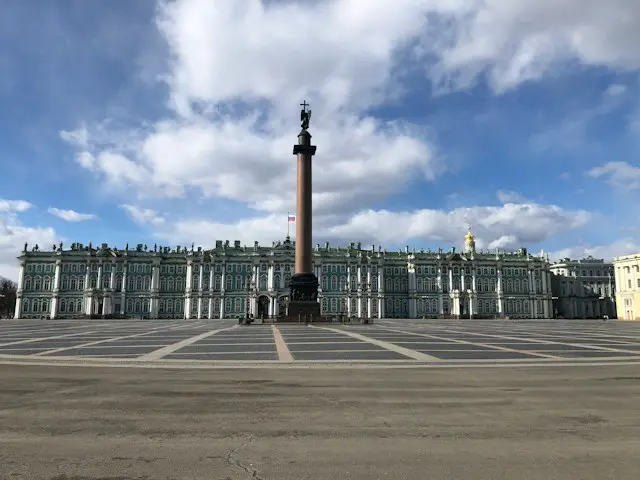
Palace Square and the Winter Palace
The city's grandest public space is framed by the sweeping curve of the General Staff Building and the green-and-white Winter Palace, the former residence of the Russian emperors. The Alexander Column rises at the centre of the square. It is a superb place to start a walking tour, especially in the early morning before the crowds arrive.
Nevsky Prospect
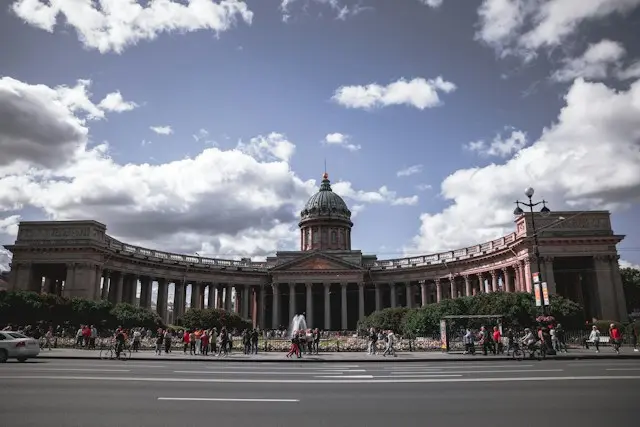
The main avenue runs for about four and a half kilometres, lined with grand buildings, shops, cafés and canal crossings. Highlights include the colonnaded Kazan Cathedral, the Singer House with its glass globe and the historic Eliseevsky food hall. Walk its length slowly and detour onto side streets for quieter views.
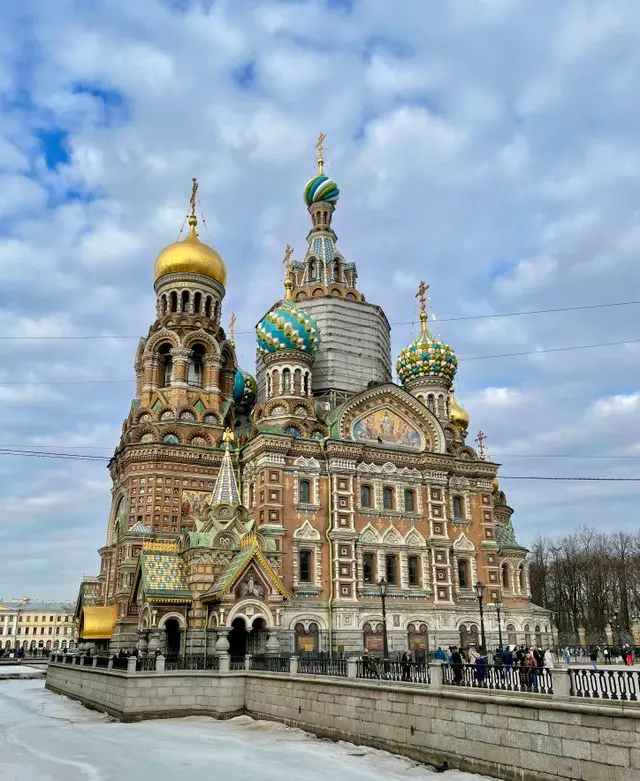
Church of the Savior on Spilled Blood
Built on the spot where Emperor Alexander II was fatally wounded in 1881, this church is covered inside and out with colourful mosaics and bright domes. Even if you only see the exterior along the Griboedov Canal, it is one of the city's most photogenic landmarks.
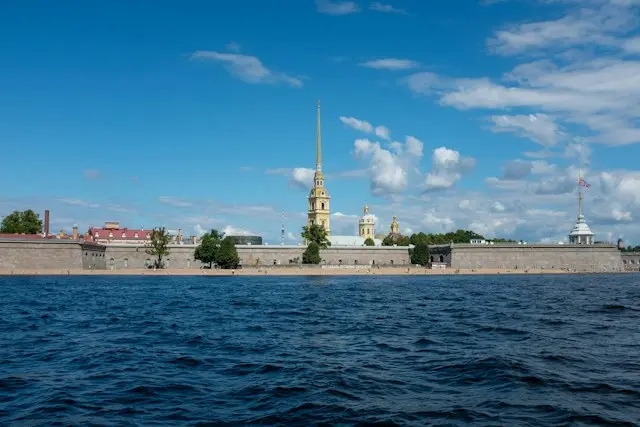
Peter and Paul Fortress
This is where the city began. Inside the walls, the Peter and Paul Cathedral holds the tombs of most Russian emperors, and a cannon is fired from a bastion every day at noon. The riverside beach below the walls is a favourite local spot in summer.
Vasilievsky Island and the Strelka
At the eastern tip of the island, the Strelka is framed by two red Rostral Columns and offers one of the best views across the Neva toward the Winter Palace and the fortress. It is a lovely place for a late-evening walk.
St. Isaac's Cathedral and the Bronze Horseman
The golden dome of St. Isaac's dominates the skyline, and its colonnade offers panoramic views of the city. Nearby, the Bronze Horseman statue of Peter the Great stands on Senate Square, one of the most famous monuments in Russia. Check opening days before you visit, as they vary.
Art, Museums and Culture
The State Hermitage Museum
The Hermitage holds more than three million items, spread across the Winter Palace and several neighbouring buildings. You cannot see everything, so pick a few highlights, from Old Masters and Impressionists to the ornate imperial state rooms, and give yourself at least half a day. The museum is closed on Mondays, and booking in advance helps you avoid long queues in summer.
The Russian Museum and Fabergé Museum
The Russian Museum, housed in the Mikhailovsky Palace, offers a deep look at Russian art from icons to the avant-garde. The Fabergé Museum, in the Shuvalov Palace, displays imperial jewelled eggs and decorative objects. Both reward a slower, more focused visit than the Hermitage.
The Mariinsky Theatre
One of Russia's great stages for ballet and opera, the Mariinsky draws performers and audiences from around the world. Book through official channels well in advance, as popular performances sell out and resale scams exist.
Yusupov Palace
This beautifully preserved palace on the Moika River contains a private theatre and lavish interiors, and it is linked to the story of Rasputin's death in 1916. It is smaller and calmer than the major palaces, which makes it a pleasant change of pace.

Things to Do in Saint Petersburg
Watch the Bridges Rise
During the navigation season, the city's drawbridges open after midnight to let ships pass along the Neva. Gather along the embankment, such as near the Palace Bridge, to watch the spans lift against the night sky. Check the schedule, since timings vary and the season ends in late autumn.
Take a Canal or River Cruise
Boats glide along the Fontanka, Moika and Griboedov canals and the wide Neva, giving a different perspective on palaces and bridges. The cruises are short, relaxing and ideal for orientation on your first day.
Ride the Deep Metro
Because the city sits on soft, marshy ground, its metro runs unusually deep, with some of the longest escalators in the world. Many stations are decorated with chandeliers, marble and mosaics, so a few rides double as sightseeing.
Experience the White Nights
From late May to mid-July, the sky stays light almost all night, and the city fills with strolling crowds, outdoor events and cultural festivals. If you visit in this period, plan late evening walks along the embankments.
Try a Traditional Banya
Russian bathhouses combine steam rooms, birch-twig massage and cold plunges. They are a long-standing local ritual and a restorative way to end a day of sightseeing, particularly in colder months.
Local Food and Everyday Experiences
Classic Russian Dishes
Start with borscht, the beetroot soup served with sour cream, and pelmeni, small meat dumplings often eaten with butter or vinegar. Pirozhki, small baked or fried pies, make a cheap and filling snack between sights.
Pyshki Doughnuts
These sugar-dusted doughnuts are a local obsession, served warm in small cafés where queues form at lunchtime. They are inexpensive, simple and a good example of how the city does comfort food.
Baltic Fish and Seasonal Treats
Thanks to its position on the Baltic coast, Saint Petersburg is known for fish dishes, including smoked and pickled fish. In spring, locals celebrate smelt, a small fish that is fried and eaten whole, with a festival-like atmosphere.
Stolovaya Canteens and Cafés
Self-service canteens serve simple home-style meals at modest prices, while historic cafés along Nevsky Prospect offer coffee, cake and a place to rest. Many are busy at midday, so go slightly earlier or later.

Day Trips from Saint Petersburg
Peterhof
Often called the Russian Versailles, this palace and park on the Gulf of Finland is famed for its Grand Cascade and hundreds of fountains. The fountains typically run from mid-May to early October, and in season a hydrofoil from the city centre takes roughly half an hour. Allow a full day.
Tsarskoye Selo
Located south of the city, this imperial estate includes the Catherine Palace and its restored Amber Room, set in landscaped parkland. It is one of the most popular half-day trips, so book tickets early in summer.
Vyborg
Close to the Finnish border, Vyborg has a medieval castle on a small island and a calm old town with a distinctly Nordic feel. It is reachable by train in a few hours and works well as a quieter alternative to the palaces.
Where to Stay in Saint Petersburg
The city centre is compact, so where you sleep affects how much time you spend commuting. Here is how the main areas compare.
- Near Nevsky Prospect: central and lively, with the widest range of hotels and restaurants, though busy and sometimes noisy.
- Admiralteysky and the Palace Embankment: close to the Hermitage and Neva views, with a more elegant feel.
- Vasilievsky Island: quieter and spacious, with great river views and good museums nearby.
- Petrogradsky Side: leafy and relaxed, with the fortress, parks and local cafés.
- Near Moskovsky Station: practical for trains to Moscow, with easy metro access.
Hotels register foreign guests as part of the check-in process, so keep your passport and visa documents handy.
Getting Around Saint Petersburg
Pulkovo Airport sits south of the centre and is linked to the city by bus, metro connections and taxis. The Sapsan high-speed train takes around four hours to Moscow and arrives at Moskovsky Station on Nevsky Prospect, right in the centre.
The metro is the best way to cover longer distances, although stations are mainly signed in Cyrillic, so learn a few names or use a map in English. Walking is excellent in the historic core, and boats serve the rivers and canals in summer. Because foreign cards generally do not work for fares, check in advance how you will pay, whether with cash or a local card.
Best Time to Visit and Practical Tips
Late May to early September is the most popular period, with long days, white nights and open-air events. Autumn can be damp and grey but quieter, while winter is cold, dark and atmospheric, with snow, ice and festive lights. Many outdoor attractions, including the Peterhof fountains, operate seasonally.
- Carry your passport, visa and any migration paperwork, and keep digital copies stored separately.
- Bring a waterproof jacket and comfortable shoes, as the weather is changeable and distances in the centre are long.
- Avoid photographing police, military sites and government buildings, and follow signs and staff instructions.
- Download offline maps and a translation app, as English is not widely spoken outside tourist areas.
- Buy tickets for the Hermitage, Mariinsky and other major sights from official sources only.
- Check museum closing days and seasonal hours before heading out, as they vary from site to site.
Conclusion
Saint Petersburg rewards travellers who slow down and take in the details, from a canal-side view at sunset to a quiet room in the Hermitage. A few days is enough to see the major landmarks, and a week lets you add palaces and day trips without rushing.
Before committing, review current entry rules, advisories and payment options, then keep your plans flexible so that you can enjoy the city with confidence.
Frequently Asked Questions
How many days do you need in Saint Petersburg? +
Three to four days covers the Hermitage, main landmarks and a palace day trip, while five days gives you time for extra museums, a theatre evening and a slower pace.
Can I combine Saint Petersburg with Moscow? +
Yes, the Sapsan high-speed train takes about four hours, and many travellers spend three or four days in each city.
What are the white nights? +
They are the weeks around midsummer, roughly late May to mid-July, when the sky never gets fully dark and the city stays lively late into the evening.
When do the Peterhof fountains run? +
They typically operate from mid-May to early October, so check the official schedule before planning a visit, especially in spring or autumn.
Is English widely spoken in Saint Petersburg? +
English is common in major hotels and some restaurants but less so elsewhere, so a translation app and a basic grasp of the Cyrillic alphabet are very useful.
Do you need to tip in Saint Petersburg? +
Tipping is customary in restaurants if service is not already included, with around ten percent being typical, while rounding up is usual for taxis and smaller services.
What souvenirs should I bring back? +
Popular choices include matryoshka nesting dolls, amber jewellery, painted wooden items and tea, best bought from established shops and markets rather than street stalls.
