

Table of Contents
Introduction
Valencia tends to sit in the shadow of Madrid and Barcelona on a typical Spain itinerary, which is part of what makes it worth a closer look. Spain's third-largest city pairs a dense, atmospheric old town with some of the most striking modern architecture in Europe, all wrapped around a nine-kilometer stretch of former riverbed that was turned into a public park rather than a highway. It also happens to be the birthplace of paella, a fact locals bring up often and with good reason.
This guide covers the sights worth prioritizing, the neighborhoods that shape Valencia's character, the experiences that go beyond sightseeing, and where to base yourself depending on the kind of trip you're planning.
Best Places to Explore in Valencia
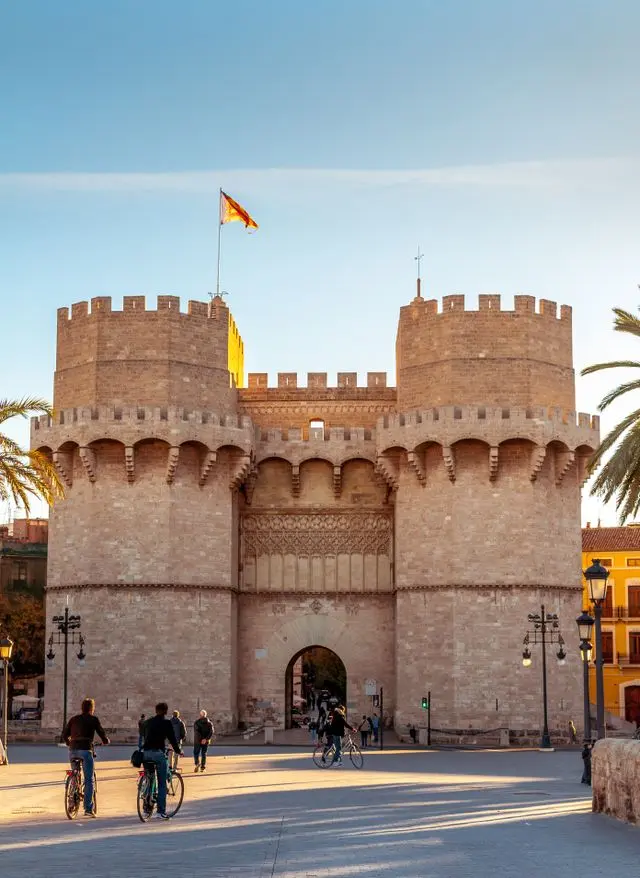
Valencia's major sights split fairly evenly between the historic old town and the futuristic complex built along the former riverbed, making it easy to mix both styles of architecture in a single day.
City of Arts and Sciences
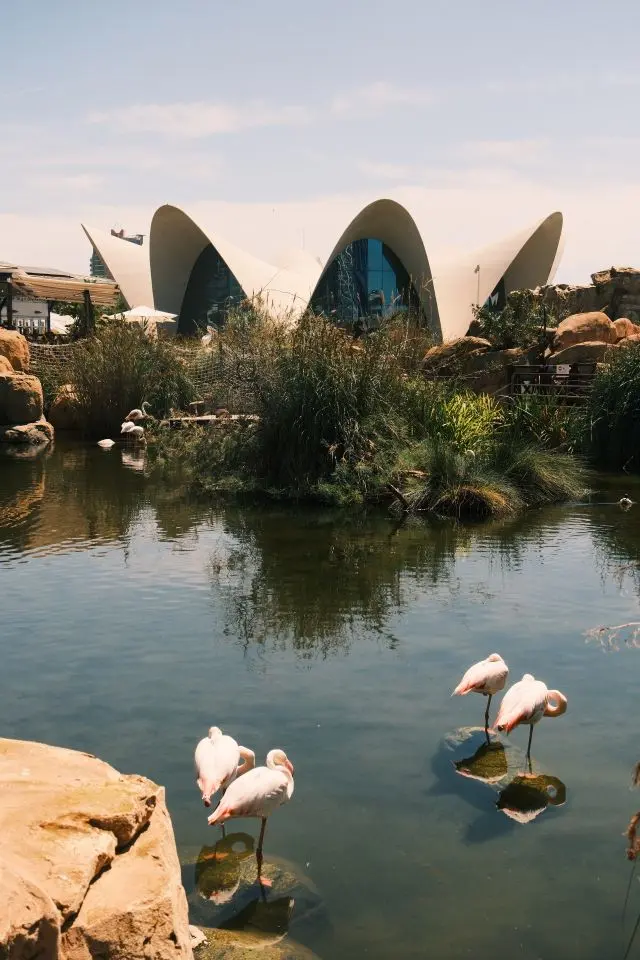
Designed largely by Santiago Calatrava and Félix Candela, the City of Arts and Sciences stretches nearly two kilometers along the old Turia riverbed and is widely considered Valencia's top attraction. The complex includes the Hemisfèric, an eye-shaped IMAX cinema and planetarium, the Oceanogràfic, Europe's largest aquarium, and the Príncipe Felipe science museum, and the white, curving architecture is especially striking at sunrise, sunset, or after dark when it is lit up.
Valencia Cathedral
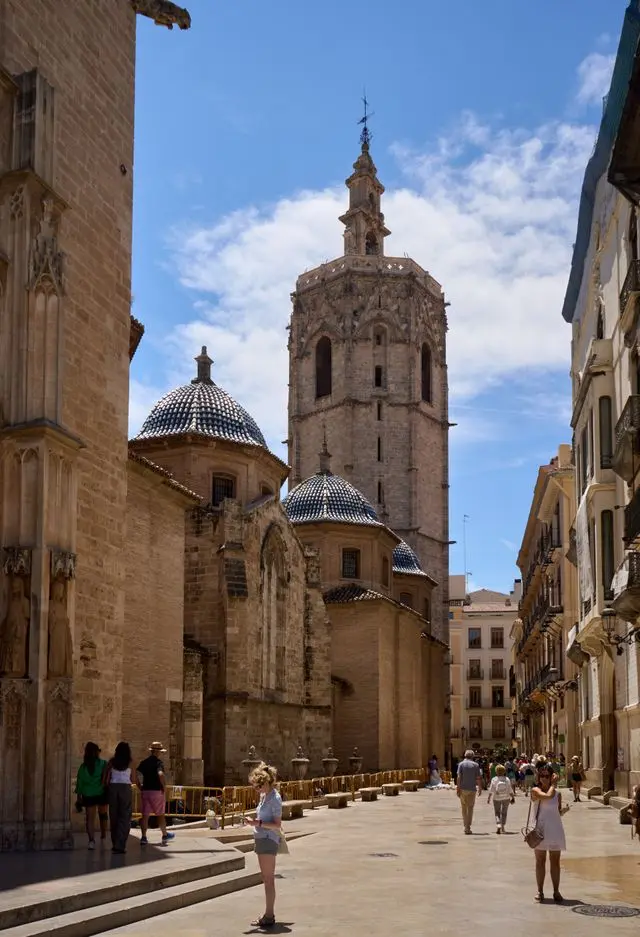
Built on the site of a former mosque, Valencia Cathedral blends Gothic, Romanesque, and Baroque elements and is best known for reportedly holding the Holy Chalice, a cup some traditions identify as the Holy Grail, in one of its chapels.
Mercado Central
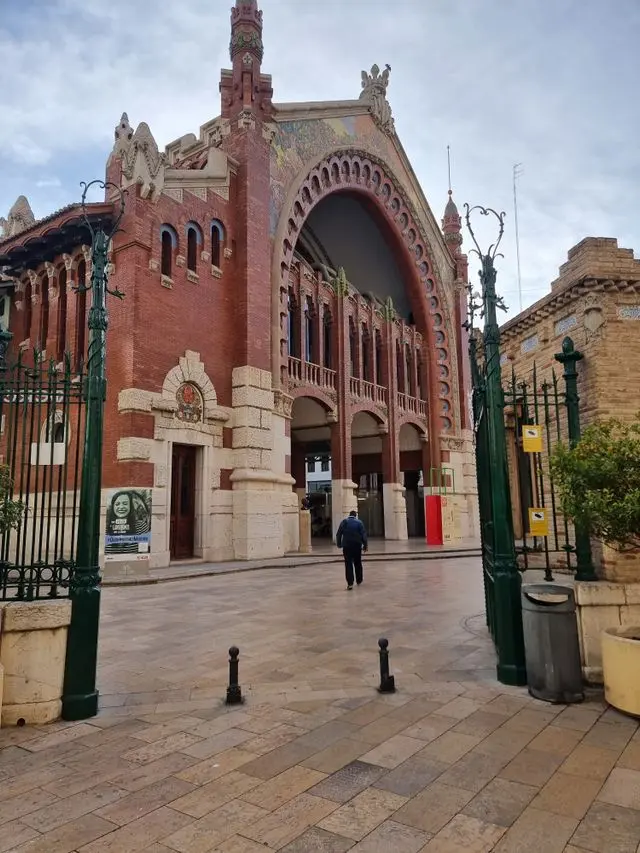
One of the largest covered markets in Europe, Mercado Central occupies an Art Nouveau building completed in the early 20th century, with a large metal frame and stained-glass windows overhead. Beneath that architecture, hundreds of stalls sell fresh produce, seafood, and local specialties, making it as much a sightseeing stop as a place to shop.
La Lonja de la Seda
This former silk exchange, a UNESCO World Heritage Site, is a Gothic civil building recognized for its twisting column hall, the Sala de Contratación, where silk merchants once negotiated deals.
Turia Gardens
After the Turia River was diverted following a major flood in 1957, the old riverbed was converted into a nine-kilometer public park rather than the highway originally planned. It now links most of Valencia's major sights, including the Bioparc and the City of Arts and Sciences, and is used by walkers, cyclists, and joggers throughout the day and well into the evening.

Valencia Neighborhoods Worth Discovering
Valencia's neighborhoods each have a distinct identity, and moving between them shows a different side of the city than the landmark sights alone.
- Ciutat Vella (Old Town) - the historic core, home to the cathedral, Mercado Central, and the narrow streets of El Carmen, and the most central base for sightseeing.
- El Carmen - the old town's most atmospheric corner, with cobbled lanes, Roman and Moorish-era architecture, street art, and a lively bar scene after dark.
- Ruzafa - once a working-class district, now Valencia's most eclectic neighborhood, known for its own daily market, craft beer bars, vegetarian cafes, and a strong creative and LGBTQ+-friendly scene.
- El Cabanyal - a former fishing village near the beach, absorbed into the city but still distinct, with colorful low-rise houses and some of the best paella near the coast.
- L'Eixample - a grander, more modern district built around wide avenues, home to the bullring and the Art Nouveau Estació del Nord train station.
Top Things to Do in Valencia
Beyond the landmark sights, Valencia rewards a slower pace that mixes architecture, nature, and the beach in the same day.
Cycle Through Turia Gardens
Renting a bike and riding the length of the old riverbed is one of the most efficient ways to see the city, since the park links the old town to the City of Arts and Sciences and several other green spaces along the way.
Spend a Morning at Mercado Central
Beyond browsing the stalls, the market is a good place to try local produce and cured meats before continuing on to the cathedral or La Lonja, both a short walk away.
Relax at Malvarrosa Beach
Valencia's city beach offers wide stretches of sand and a long seafront promenade lined with restaurants, making it an easy add-on to a day of sightseeing rather than a separate excursion.
Take a Boat Trip on the Albufera
A short drive south of the city, the Albufera Natural Park is a freshwater lagoon surrounded by rice paddies, the source of the rice used in traditional Valencian paella, and boat trips across the water are especially popular around sunset.
Visit the Oceanogràfic
As part of the City of Arts and Sciences, the Oceanogràfic is organized around different marine ecosystems, including an underwater tunnel, and is worth several hours on its own for visitors interested in marine life.

Unique Local Experiences You Shouldn't Miss
Some of Valencia's most memorable moments come from its local traditions rather than its landmarks alone.
Try Paella Where It Was Invented
Paella originated in Valencia, and traditional Valencian paella is made with rabbit, chicken, and beans rather than the seafood version more commonly served elsewhere in Spain. Restaurants near El Cabanyal and the Albufera are generally considered the most reliable places to try it made the traditional way.
Drink Horchata with Fartons
Horchata, a cold, sweet drink made from tiger nuts, is a Valencian specialty best tried at a horchatería in the old town, traditionally paired with fartons, a soft, elongated pastry meant for dipping.
Experience Las Fallas
Held each March, Las Fallas is Valencia's signature festival, filling the streets with elaborate sculptures built by local neighborhood associations, daily fireworks displays, and a final night in which most of the sculptures are ceremonially burned.
Watch the Water Tribunal
Every Thursday at noon, the Tribunal de las Aguas, one of Europe's oldest judicial institutions, meets outside the cathedral to resolve irrigation disputes among local farmers, a centuries-old tradition still conducted entirely in the Valencian language.
Explore Ruzafa Like a Local
Spending an evening in Ruzafa, moving between its market, bars, and record shops, gives a clearer sense of contemporary Valencian life than the more tourist-oriented old town.
Where to Eat and Drink Like a Local
Valencia's food identity centers on rice dishes and fresh produce, but there is plenty beyond paella worth seeking out.
- Order paella for lunch rather than dinner, since it is traditionally a midday dish in Valencia and many of the best restaurants only prepare it earlier in the day.
- Try other rice dishes beyond paella, such as arroz a banda or fideuà, a similar dish made with noodles instead of rice.
- Visit Café de Las Horas in El Carmen for agua de Valencia, a local sparkling cocktail made with cava, orange juice, and vodka or gin.
- Browse Mercado de Ruzafa for a more local, less touristy alternative to the Mercado Central.
- Try esgarraet or titaina, two traditional Valencian tapas built around roasted peppers and salted fish or tuna.

Where to Stay in Valencia
Valencia's neighborhoods each cater to a different kind of trip, so the right base depends on whether the priority is sightseeing, nightlife, or the beach.
- El Carmen (Ciutat Vella) - the classic first-time choice, putting the cathedral, Mercado Central, and La Lonja within walking distance, with plenty of boutique hotels and a lively evening atmosphere.
- Ruzafa - a good fit for travelers who want a trendier, more local base with easy access to independent cafes, bars, and its own daily market, generally at slightly lower rates than the old town.
- L'Eixample - a quieter, more residential option with wide avenues and easy access to shopping, well suited to travelers who prefer a calmer night's sleep over old-town nightlife.
- El Cabanyal / Poblats Marítims - the best choice for beach-focused trips, putting Malvarrosa Beach and the seafront promenade within easy reach, with a more local, less polished character than the center.
Booking several weeks ahead is essential around Las Fallas in March, when the city fills up and accommodation prices rise sharply.
Practical Tips for Visiting Valencia
A little planning around timing and transport makes a Valencia trip considerably smoother.
Getting Around
Valencia's compact old town is best explored on foot, while the metro, tram, and an extensive bike-share system cover the City of Arts and Sciences, the beach, and other outlying sights efficiently.
When to Visit
Spring and fall offer the most comfortable temperatures for sightseeing, while March brings the citywide spectacle of Las Fallas and summer draws the largest crowds to the beach and city center alike.
Book Major Sights in Advance
The Oceanogràfic and other City of Arts and Sciences attractions can involve long lines in peak season, so booking tickets ahead of time is worth the extra step.
Day Trips
The Albufera Natural Park, the small coastal town of Cullera, and the inland thermal springs near Montanejos are all reachable from Valencia within a couple of hours and make easy additions to a longer stay.
Conclusion
Valencia works because it rarely tries to be just one thing. It holds onto its old town, its market traditions, and centuries-old rituals like the Water Tribunal, while also being one of the more architecturally ambitious cities in Europe and a genuine beach destination in its own right. Whether the trip is a quick two days or closer to a week, mixing a morning at the City of Arts and Sciences with an afternoon in El Carmen and an evening in Ruzafa gives a fuller sense of the city than focusing on any one side of it alone.
Frequently Asked Questions
How many days should I plan for a Valencia trip? +
Three days covers the old town, the City of Arts and Sciences, and the beach at a comfortable pace, while a longer stay allows time for a day trip to the Albufera or nearby coastal towns.
What is the best time of year to visit Valencia? +
Spring and fall offer the most comfortable weather, while March draws large crowds for Las Fallas and summer is busiest at the beach and in the city center.
Should I stay in the old town or Ruzafa? +
The old town suits first-time visitors who want everything within walking distance, while Ruzafa suits travelers who prefer a trendier, more local base with slightly lower rates.
Is Valencia walkable, or do I need public transport? +
The old town is very walkable, though the metro, tram, or bike-share system are useful for reaching the City of Arts and Sciences, the beach, and other outlying sights.
Where can I find the most authentic paella in Valencia? +
Restaurants in El Cabanyal and near the Albufera are generally considered the most reliable for traditional Valencian paella made with rabbit, chicken, and beans rather than seafood.
Is Valencia expensive to visit? +
It is generally more affordable than Madrid or Barcelona, particularly for food and accommodation outside of the Las Fallas period in March.
What should first-time visitors not skip? +
The City of Arts and Sciences, Valencia Cathedral, Mercado Central, and at least one traditional paella lunch cover the essentials of a first visit.
Are day trips from Valencia worth the time? +
Yes, particularly the Albufera Natural Park for its lagoon and rice paddies, which are also the source of the region's signature dish.