
Table of Contents
Introduction to Athens
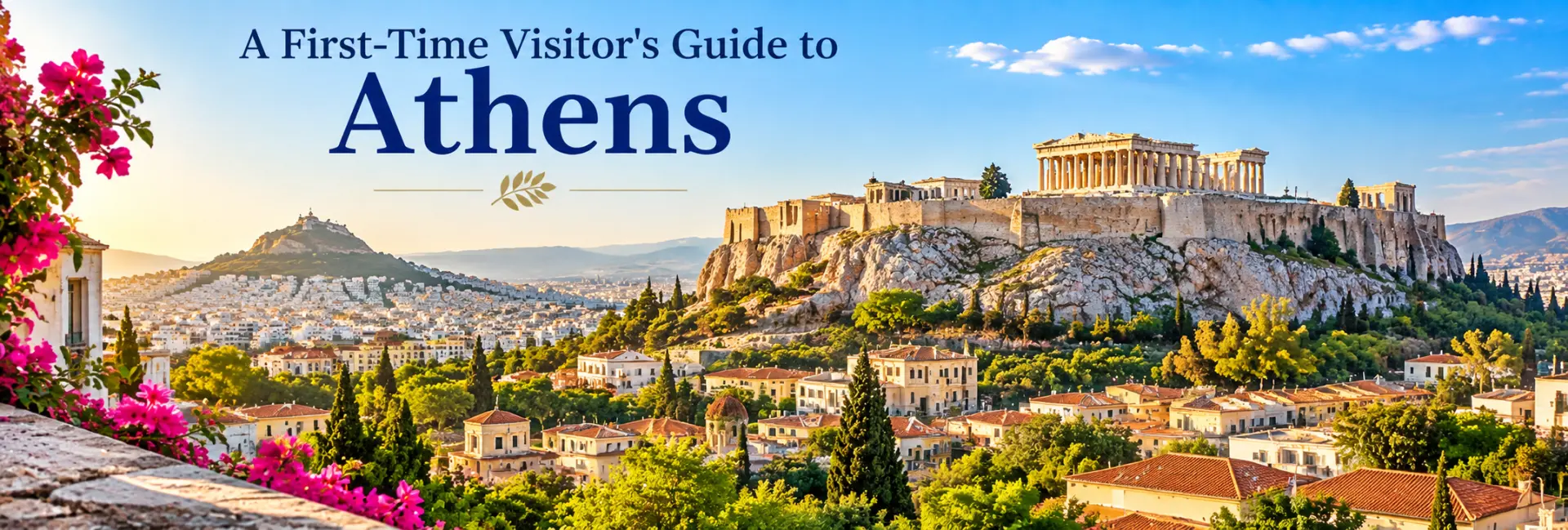
Athens is a city built directly on top of its own history. Walk out of a modern apartment building and you might find yourself staring at a 2,500-year-old temple across the street, or descend into a metro station and pass glass floor panels showing ancient ruins uncovered during construction. It's a sprawling, sometimes chaotic city of around 3 million people, but the historic core where most visitors spend their time is compact and largely walkable.
For a first-time visitor, Athens can feel like two cities layered on top of each other: the ancient one, centered on the Acropolis and its surrounding archaeological sites, and the modern one, full of rooftop bars, graffiti-covered side streets, and some of the best casual food in the Mediterranean. Both are worth your time, and neither takes much effort to reach on foot from the center.
Best Time to Visit
April, May, and June are generally considered the sweet spot, with warm but manageable temperatures, blooming landscapes at sites like the Acropolis, and crowds that haven't yet hit their peak. September and October offer a similar balance, with the added bonus of warm sea temperatures if you're combining Athens with island time.
July and August are Athens at its most extreme, with temperatures regularly climbing past 95°F and heat closures occasionally affecting outdoor archaeological sites during the hottest midday hours. If you visit in summer, plan outdoor sightseeing for early morning or late afternoon and treat midday as a time to be indoors.
Winter in Athens
November through March is quiet and mild by northern European standards, rarely dropping below freezing, and it's the best time for short queues at the Acropolis and lower hotel prices. Some rooftop bars and beach clubs close for the season, but the major museums and archaeological sites stay open year-round.

Getting to Athens and From the Airport
Athens International Airport (ATH) sits about 20 miles southeast of the city center, further out than many European airports, so factor in 45 minutes to an hour for the journey no matter which transport option you pick. The airport is well connected internationally, with direct flights from most major hubs in Europe, North America, and beyond.
Getting Into the City
- Metro (Blue Line 3) runs directly from the airport to Syntagma Square in about 40 minutes and costs €9 for a single fare, making it the fastest public transport option during operating hours.
- The X95 express bus runs 24 hours a day to Syntagma Square, costs around €5.50, and takes roughly 60 minutes in normal traffic, longer during rush hour. It's the only public option if you land late at night when the metro has stopped running.
- Official airport taxis operate on a government-regulated flat fare to the city center, roughly €40 during the day and €55 between midnight and 5am, which removes the guesswork of metered fares.
- A 3-day tourist transport ticket, priced around €20, includes one return airport journey plus unlimited use of metro, bus, and tram for 72 hours, which can be worth it if you're staying several days and sightseeing by public transport.
Getting Around the City
Central Athens is very walkable, and most first-time visitors will spend the bulk of their trip on foot moving between the Acropolis, Plaka, Monastiraki, and Syntagma Square. The metro system is clean, fast, and easy to use even without Greek, with three lines covering the main tourist areas and connecting out to the airport and the port of Piraeus.
Buses and trams fill in the gaps for destinations the metro doesn't reach directly, such as the southern coastline and some residential neighborhoods, though schedules can be less predictable than the metro's. Taxis are inexpensive by Western European standards, but agree on the fare or confirm the meter is running before you set off, since disputes over pricing with tourists aren't unheard of.
A Note on Walking
Many streets around the Acropolis and in older neighborhoods are marble-paved or cobbled, which gets slippery when wet, so pack shoes with real grip rather than smooth-soled sandals.

Where to Stay
Plaka, the oldest neighborhood in Athens, sits directly beneath the Acropolis and offers the most classic, postcard version of the city: narrow lanes, neoclassical houses, and tavernas tucked into quiet corners. It's touristy and prices reflect that, but the location can't be beaten if you want to walk to everything.
Monastiraki and Psyri
Just north of Plaka, these neighborhoods have a grittier, more local energy, with flea markets, street art, and a younger nightlife scene. It's a good middle ground for travelers who want central access without paying Plaka prices.
Koukaki
South of the Acropolis, Koukaki has become one of the most popular bases for visitors in recent years, offering a residential, less touristy feel while still being a 10 to 15 minute walk from the Acropolis Museum and the ancient sites. It also tends to have better value hotels and short-term rentals than the historic core.
Syntagma
Athens' central square is convenient for public transport connections, including the direct airport metro line, and puts you close to shopping and the Greek Parliament, though the immediate area can feel more commercial than charming.
Top Things to See and Do
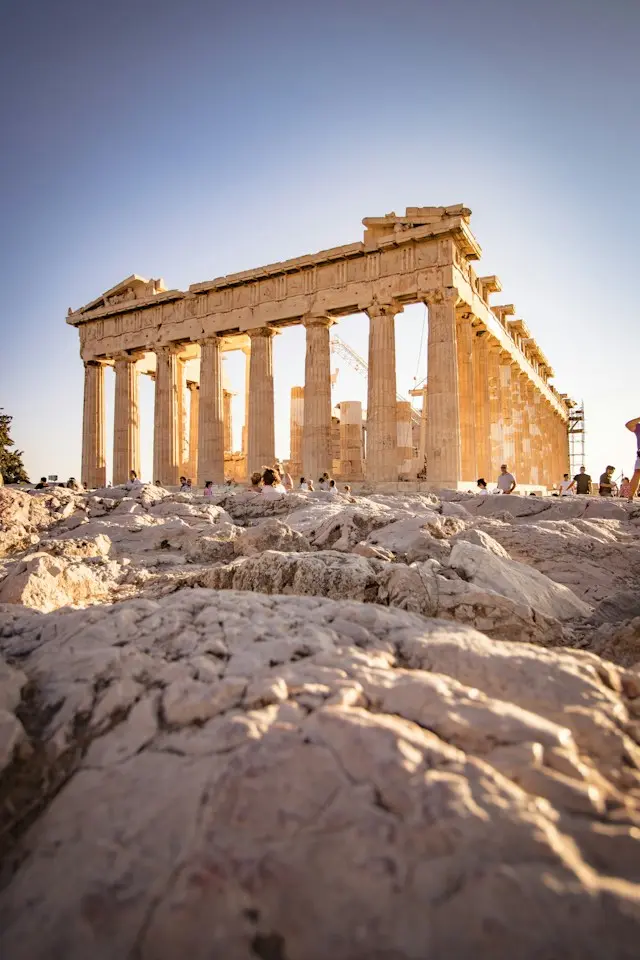
The Acropolis is the reason most people come to Athens, and it deserves the reputation. A standard timed-entry ticket costs €30 year-round and includes the Parthenon, the Erechtheion with its famous Caryatid columns, and the surrounding North and South slopes. The site caps daily visitors at 20,000 with staggered entry times, and early morning slots between 8am and 10am sell out first in summer, sometimes five to seven days ahead, so book online well in advance.
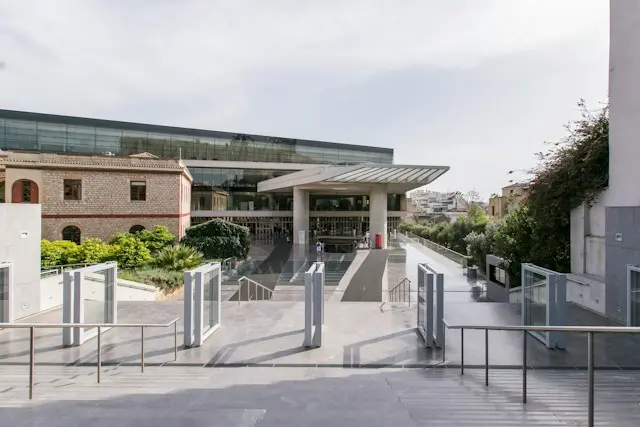
The Acropolis Museum, at the base of the hill, is worth pairing with your visit and is sold as a separate ticket. Its top floor, built to match the exact dimensions of the Parthenon, displays original sculptures at eye level in natural light, a genuinely different experience from craning your neck at the originals on the hill.
Beyond the Acropolis
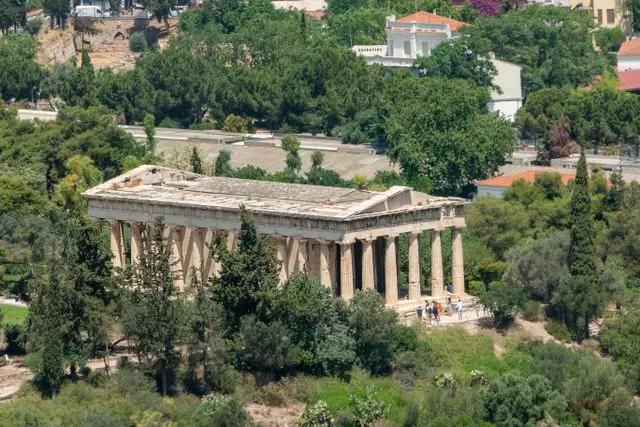
The Ancient Agora, once the civic heart of Athens where Socrates reportedly taught, and the nearby Roman Forum are both walkable from Plaka and give a sense of daily life in the ancient city rather than just its monuments. The National Archaeological Museum, a bit further out, holds one of the world's most important collections of Greek antiquities, including the gold Mask of Agamemnon.
Neighborhood Wandering
Monastiraki Flea Market rewards an unhurried wander, especially on Sunday mornings, with a mix of genuine antiques, vintage clothing, and tourist trinkets. In the evening, climbing to Areopagus Hill, just below the Acropolis entrance, gives one of the best free sunset views in the city.

Money, Costs, and Everyday Practicalities
Greece uses the euro, and cards are widely accepted in restaurants and shops, though smaller tavernas, kiosks, and market stalls may prefer cash. Tipping isn't obligatory, but rounding up the bill or leaving 5 to 10 percent for good table service is appreciated and common practice among locals.
Tap water in central Athens is safe to drink, though it can taste heavily of chlorine, so many locals and visitors alike opt for bottled water, which is inexpensive and widely available. Public restrooms are limited outside museums and cafes, so plan around sites and coffee stops.
Safety and Etiquette
Athens is a safe city for travelers overall, with the main risks being pickpocketing on the metro, particularly the airport line, and around crowded tourist areas like Monastiraki. Keep valuables secure in crowds and be cautious of unsolicited "free" bracelets or restaurant offers in heavily touristed streets, a known minor scam. Dress modestly when visiting Orthodox churches, and be aware that touching ancient monuments or climbing on ruins is prohibited and enforced with fines.
Food and Drink
Greek food in Athens leans on fresh vegetables, olive oil, grilled meats, and seafood rather than heavy sauces, and portions at tavernas are often meant for sharing. A classic meal might include a Greek salad with a block of feta on top, grilled octopus, and souvlaki, skewered and grilled meat served with pita, tomato, onion, and tzatziki.
- Moussaka, a layered baked dish of eggplant, potato, and spiced ground meat topped with béchamel, is a Sunday staple you'll find on most taverna menus.
- Gyros, meat carved from a vertical rotisserie and wrapped in pita with fries and tzatziki, is Athens' most reliable, inexpensive meal, usually costing a few euros from a street stand.
- Greek coffee culture centers on freddo espresso and freddo cappuccino, iced coffee drinks that are genuinely different from anything you'd order at a chain cafe abroad, and cafes on nearly every corner serve them.
Where and When to Eat
Restaurants directly on Plaka's main tourist strips tend to be overpriced with staff aggressively inviting you in; walking a few streets away into quieter parts of Plaka or over to Koukaki usually gets you better food for less. Greek dinner runs late, often starting after 9pm in summer, and tavernas rarely rush you out once you're seated.
Day Trips Worth Taking
Athens' location makes it a strong base for exploring beyond the city, whether you're after more ancient history or a quick escape to the sea.
- Cape Sounion, about an hour and a half south by car or KTEL bus, is home to the Temple of Poseidon perched on a cliff over the Aegean, especially striking at sunset.
- Delphi, roughly two and a half hours by car or organized tour, was considered the center of the ancient world and holds one of Greece's most dramatic archaeological sites, set into a mountainside above olive groves.
- The Saronic Islands, including Hydra, Aegina, and Poros, are reachable by ferry from Piraeus port in under two hours, making a full or half-day island escape realistic even on a short Athens trip.
- Ancient Corinth and Nafplio, both under two hours away, combine Roman-era ruins with one of Greece's most charming small port towns.
Final Tips Before You Go
Book Acropolis tickets as early as you can if you're visiting between April and October, since morning slots are the first to disappear and walk-up availability in high season often means a long wait at the ticket office rather than no entry at all. Building your day around an early Acropolis visit, before the heat and crowds peak, tends to make for a better experience anyway.
Pack for a lot of uneven walking, and bring a reusable water bottle since cafes and kiosks are everywhere for refills or cheap bottled water. Even a few words of Greek, like efharisto for thank you, go a long way with locals, though English is widely spoken in tourist areas.
Athens rewards visitors who leave room in the schedule for wandering rather than checking off every site back to back. Some of the best moments come from getting a little lost in Plaka's back streets, catching the sunset from Areopagus Hill, or lingering over a long taverna dinner rather than rushing from ruin to ruin.
Frequently Asked Questions
How many days do I need in Athens? +
Three days is enough to see the Acropolis, the Acropolis Museum, and the main historic neighborhoods without rushing. Two days works if you're tight on time, while four or five gives room for a day trip to somewhere like Cape Sounion or Delphi.
Do I need to book Acropolis tickets in advance? +
Yes, especially between April and October. Timed entry is mandatory, the site caps daily visitors, and morning slots often sell out five to seven days ahead in peak summer, so booking online through the official site well before your trip is strongly recommended.
Is Athens walkable, or will I need public transport? +
The historic center, including the Acropolis, Plaka, Monastiraki, and Syntagma, is very walkable. You'll mainly need the metro or bus for reaching the airport, Piraeus port, or destinations further from the center like the southern coast.
What's the best way to get from the airport into the city? +
The metro Blue Line is the fastest option at around 40 minutes and €9. The X95 bus is cheaper at about €5.50 and runs 24 hours, useful for late-night arrivals when the metro isn't running. Taxis use a fixed government rate, roughly €40 by day and €55 overnight.
Is Athens safe for tourists? +
Athens is generally safe, with the main concerns being pickpocketing in crowded areas like the metro and Monastiraki, along with minor scams involving unsolicited street vendors. Standard travel precautions are usually enough to avoid trouble.
Is tap water safe to drink in Athens? +
Yes, tap water is safe to drink in central Athens, though the taste can be strong due to chlorination, which is why bottled water is common and cheap to buy throughout the city.
When is the best time to visit to avoid crowds and heat? +
April to June and September to October offer the best balance of good weather and manageable crowds. July and August bring the highest temperatures and biggest crowds, sometimes leading to midday closures at outdoor sites during extreme heat.
Do I need to speak Greek to get by? +
No, English is widely spoken in restaurants, hotels, and tourist areas throughout Athens. Learning a few basic phrases is appreciated but not necessary for a smooth trip.
Is it worth combining Athens with a Greek island trip? +
Yes, if your schedule allows it. Ferries from Piraeus reach islands like Hydra, Aegina, and Poros in under two hours, and even a short Athens stay of three or four days can realistically include a half-day or full-day island visit.